Freshwater, saltwater, and dry scrub within a few hundred metres creates exceptional insect habitat — the estuary alone draws dragonflies, damselflies, and aquatic beetles that don't appear elsewhere on the coast.
1,514+ species documented within 50 km
Butterflies, beetles, dragonflies, and more — the photo field guide.
Insects you'll meet
Butterflies (the signature group)
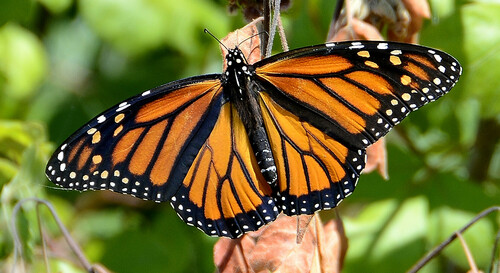
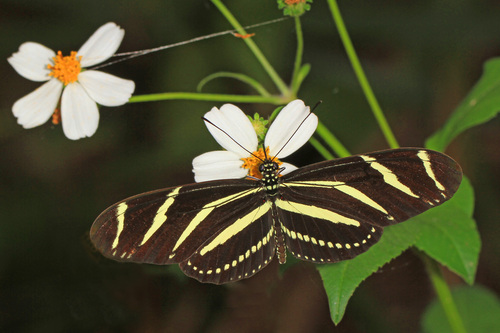 Cebra
Zebra Longwing
Heliconius charithonia details →
Slow-flying, striped
Cebra
Zebra Longwing
Heliconius charithonia details →
Slow-flying, striped
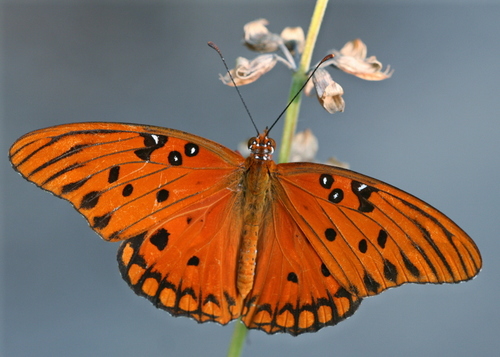 Pasionaria
Gulf Fritillary
Agraulis vanillae details →
Orange-red, common
Pasionaria
Gulf Fritillary
Agraulis vanillae details →
Orange-red, common
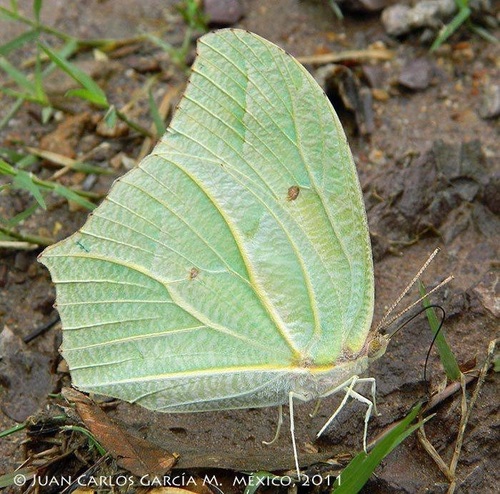 Blanca naranja
White Angled-Sulphur
Anteos clorinde details →
Big yellow-white
Blanca naranja
White Angled-Sulphur
Anteos clorinde details →
Big yellow-white
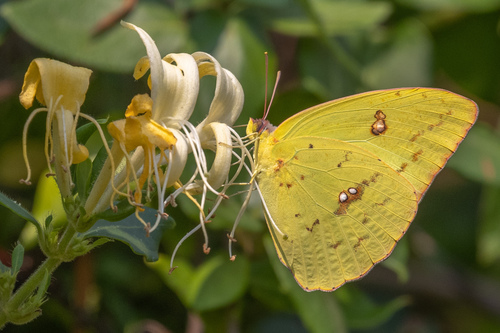 Mariposa azufre
Cloudless Sulphur
Phoebis sennae details →
Bright yellow, fast
Mariposa azufre
Cloudless Sulphur
Phoebis sennae details →
Bright yellow, fast
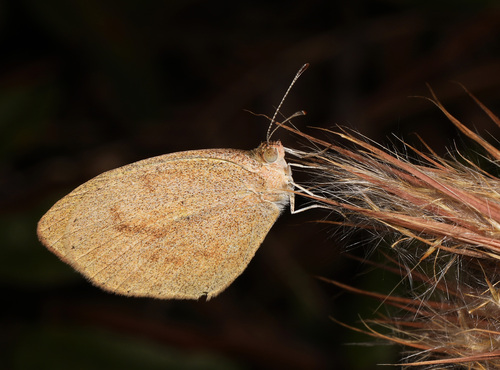 Amarilla rayada
Barred Yellow
Eurema daira details →
Small yellow grasslands
Amarilla rayada
Barred Yellow
Eurema daira details →
Small yellow grasslands
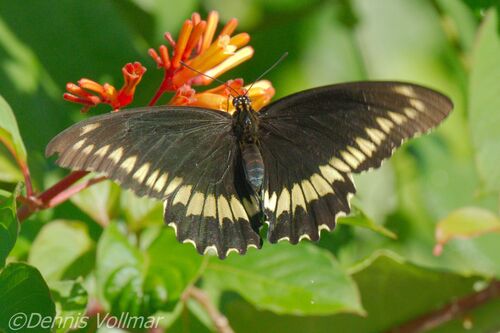 Polidamus
Polydamas Swallowtail
Battus polydamas details →
Black with yellow border
Polidamus
Polydamas Swallowtail
Battus polydamas details →
Black with yellow border
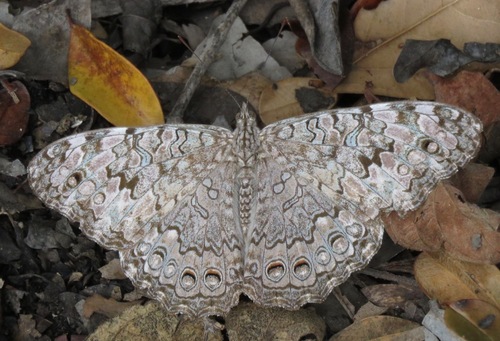 Mariposa crujidora
Gray Cracker
Hamadryas februa details →
Clicks when flying
Mariposa crujidora
Gray Cracker
Hamadryas februa details →
Clicks when flying
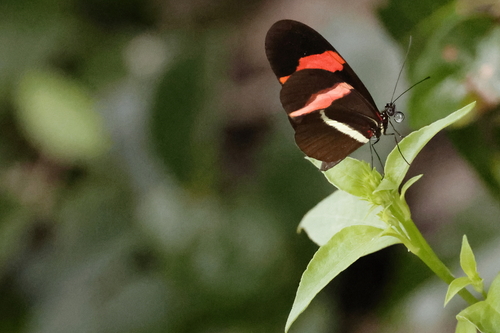 Cartero rojo
Red Postman
Heliconius erato details →
Wet forest, aposematic
Cartero rojo
Red Postman
Heliconius erato details →
Wet forest, aposematic
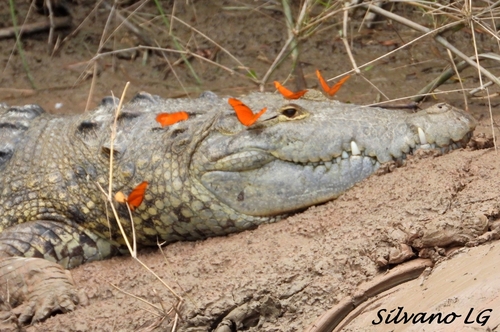 Julia
Julia Heliconian
Dryas iulia details →
Bright orange, fast flier
Julia
Julia Heliconian
Dryas iulia details →
Bright orange, fast flier
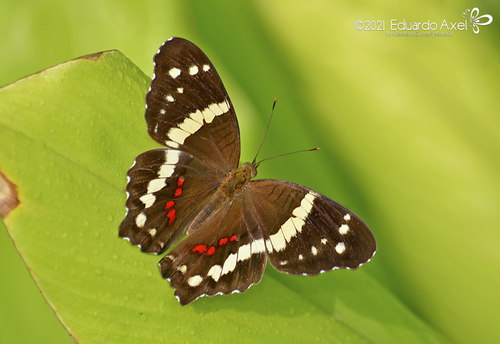 Bandera
Banded Peacock
Anartia fatima details →
Common, open areas
Bandera
Banded Peacock
Anartia fatima details →
Common, open areas
Dragonflies & damselflies
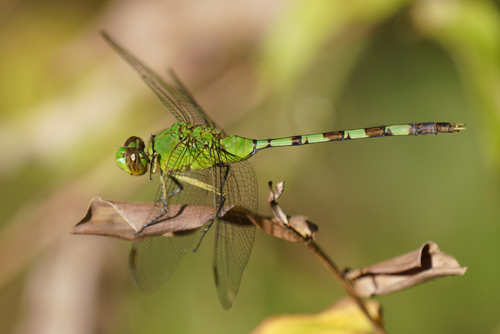 Halcón verde
Great Pondhawk
Erythemis vesiculosa details →
Bright green, lagoon edge
Halcón verde
Great Pondhawk
Erythemis vesiculosa details →
Bright green, lagoon edge
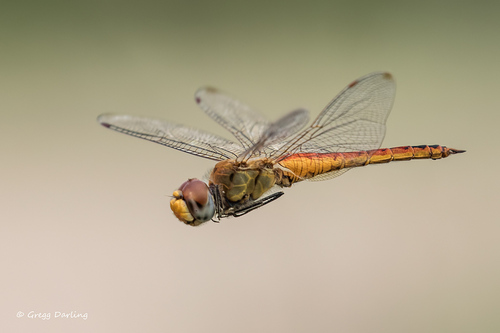 Libélula errante
Wandering Glider
Pantala flavescens details →
Long-distance migrant
Libélula errante
Wandering Glider
Pantala flavescens details →
Long-distance migrant
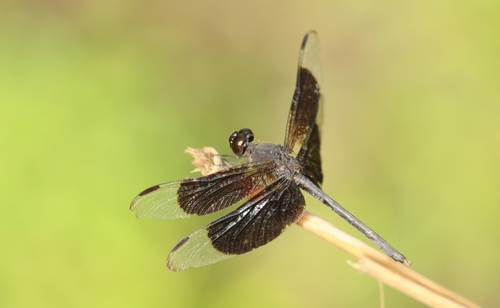 Libélula negra
Black Setwing
Erythrodiplax funerea details →
Dark, lagoon-dependent
Libélula negra
Black Setwing
Erythrodiplax funerea details →
Dark, lagoon-dependent
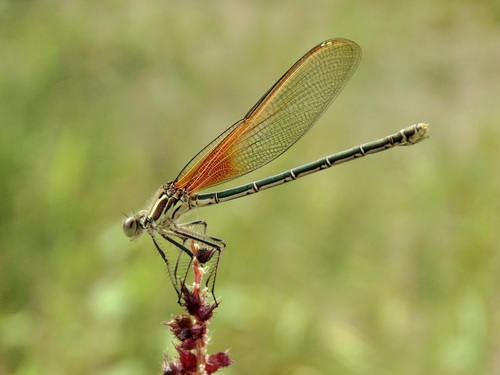 Libélula rubí
American Rubyspot
Hetaerina americana details →
Damselfly, ruby-winged
Libélula rubí
American Rubyspot
Hetaerina americana details →
Damselfly, ruby-winged
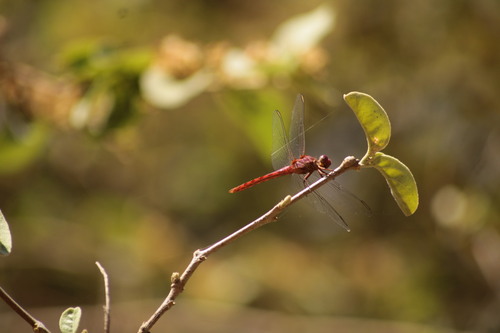 Libélula carmesí
Carmine Skimmer
Orthemis discolor details →
Ponds, wet season
Libélula carmesí
Carmine Skimmer
Orthemis discolor details →
Ponds, wet season
Beetles & bees
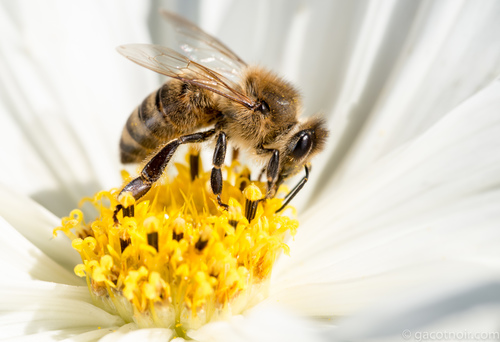 Abeja melífera
Western Honeybee
Apis mellifera details →
Hives in dry forest
Abeja melífera
Western Honeybee
Apis mellifera details →
Hives in dry forest
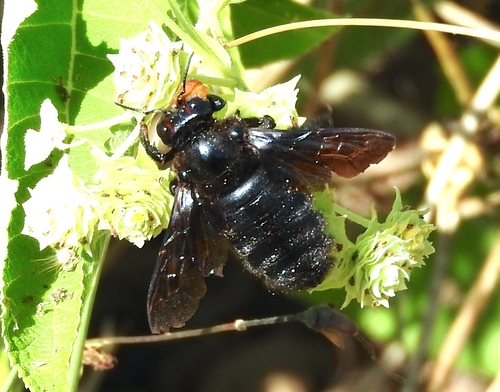 Abeja carpintera
Mexican Carpenter Bee
Xylocopa mexicanorum details →
Big black, bores in wood
Abeja carpintera
Mexican Carpenter Bee
Xylocopa mexicanorum details →
Big black, bores in wood
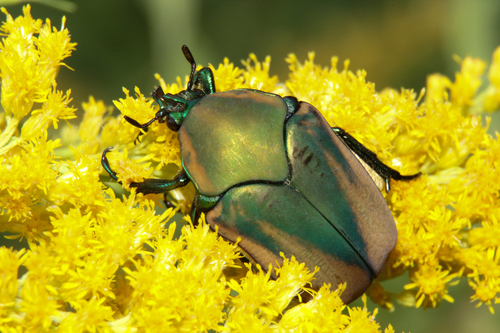 Mayate verde
Figeater Beetle
Cotinis mutabilis details →
Iridescent green, slow flight
Mayate verde
Figeater Beetle
Cotinis mutabilis details →
Iridescent green, slow flight
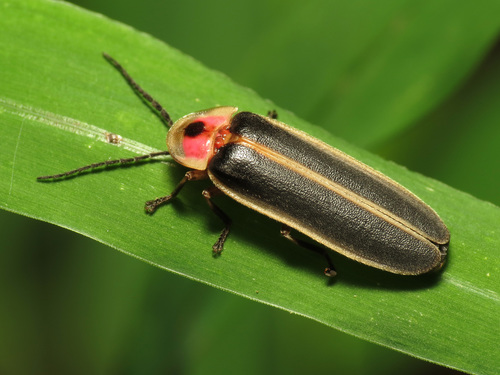 Luciérnaga
Common Eastern Firefly
Photinus pyralis details →
Lights up rainy nights
Luciérnaga
Common Eastern Firefly
Photinus pyralis details →
Lights up rainy nights
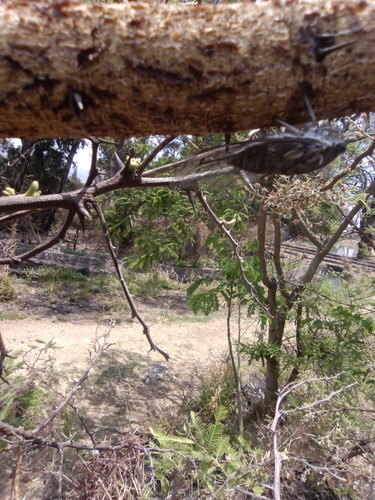 Chicharra gigante
Quesada Cicada
Quesada gigas details →
Loudest cicada, dry season
Chicharra gigante
Quesada Cicada
Quesada gigas details →
Loudest cicada, dry season
Caution & pest
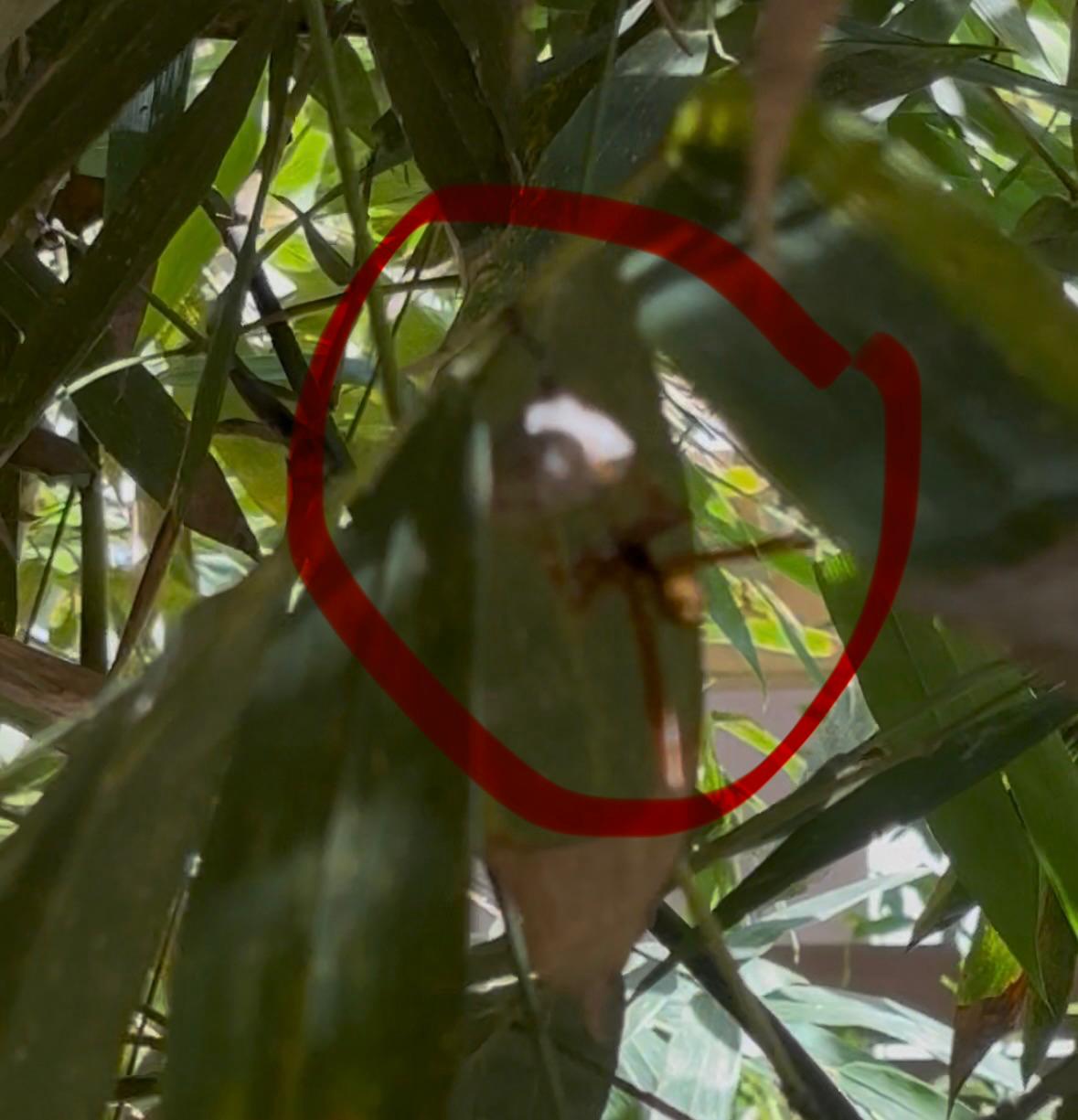 Avispa verdugo / Avispón
Executioner Wasp
Polistes carnifex details →
Schmidt 4.0+ sting · social, swarms when nest threatened · find & remove nest
Avispa verdugo / Avispón
Executioner Wasp
Polistes carnifex details →
Schmidt 4.0+ sting · social, swarms when nest threatened · find & remove nest
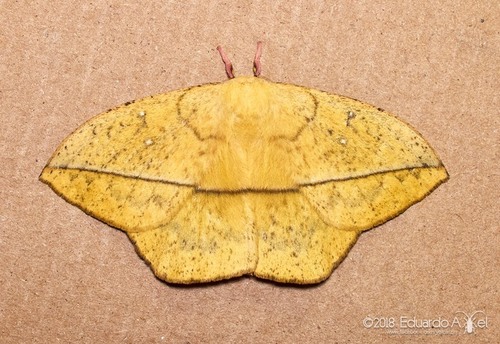 Oruga asesina
Lonomia Caterpillar
Lonomia electra details →
Venomous spines — do not touch
Oruga asesina
Lonomia Caterpillar
Lonomia electra details →
Venomous spines — do not touch
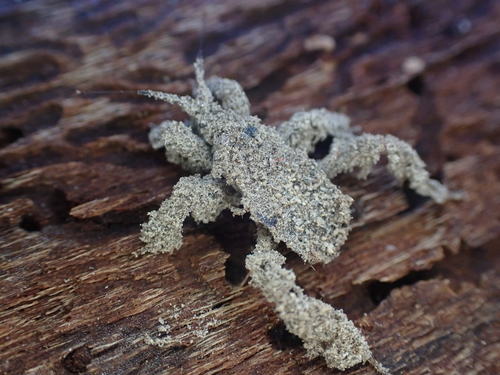 Chinche besucona
Kissing Bug (Triatoma)
Reduvius personatus details →
Chagas vector — knows light at night
Chinche besucona
Kissing Bug (Triatoma)
Reduvius personatus details →
Chagas vector — knows light at night
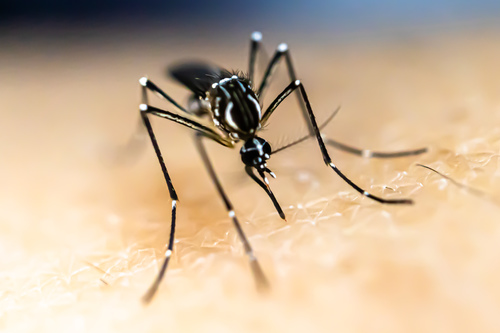 Mosquito
Yellow Fever Mosquito
Aedes aegypti details →
Dengue/Zika vector
Mosquito
Yellow Fever Mosquito
Aedes aegypti details →
Dengue/Zika vector
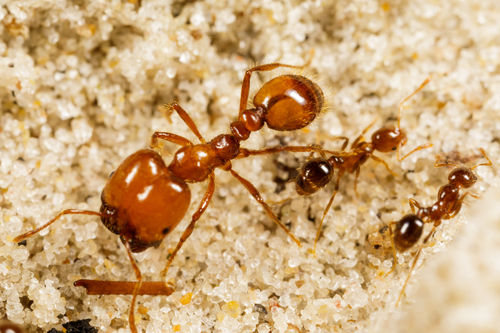 Hormiga colorada
Tropical Fire Ant
Solenopsis geminata details →
Painful sting, ground nests
Hormiga colorada
Tropical Fire Ant
Solenopsis geminata details →
Painful sting, ground nests
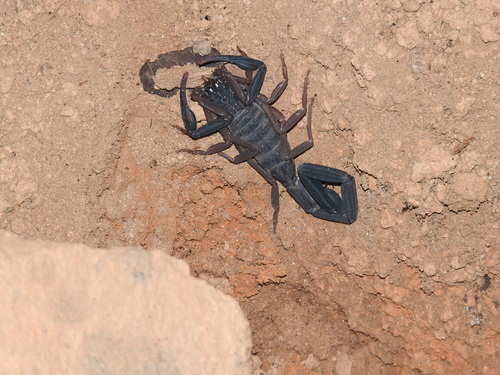 Alacrán / Escorpión
Dark Bark Scorpion
Centruroides nigrescens details →
Arachnid, not insect · medically significant sting · shake out shoes & bedding
Alacrán / Escorpión
Dark Bark Scorpion
Centruroides nigrescens details →
Arachnid, not insect · medically significant sting · shake out shoes & bedding
More species photographed nearby
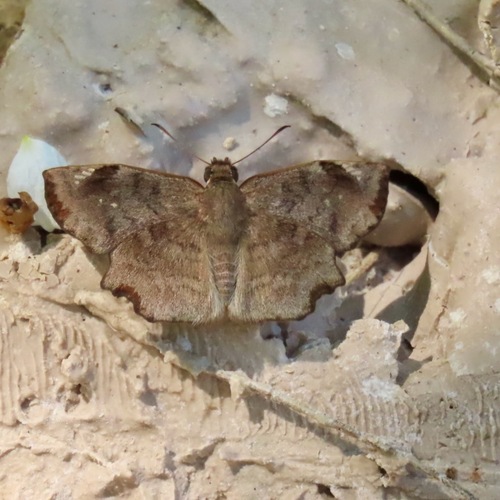 Espuela común
Common Spurwing
Antigonus erosus details →
Skipper, dry forest
Espuela común
Common Spurwing
Antigonus erosus details →
Skipper, dry forest
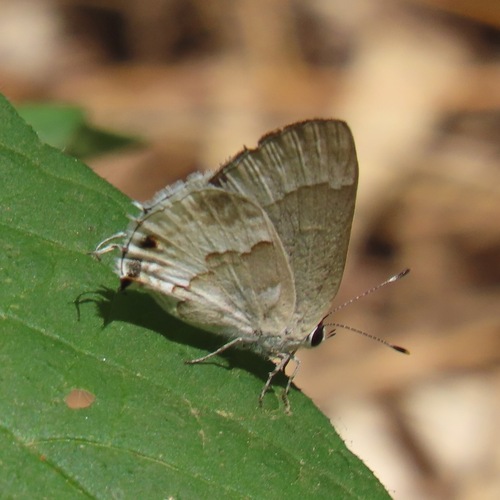 Rayita blanca
White Scrub-Hairstreak
Strymon albata details →
Tiny hairstreak, edges
Rayita blanca
White Scrub-Hairstreak
Strymon albata details →
Tiny hairstreak, edges
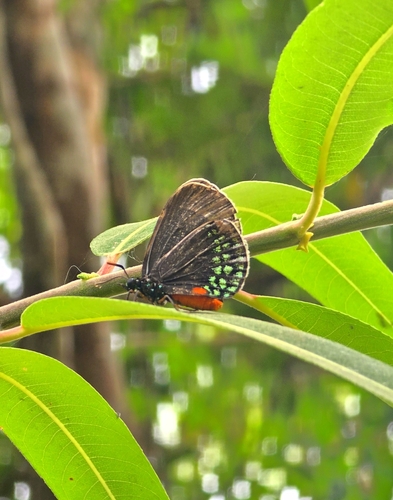 Mariposa de cícada
Mexican Cycadian
Eumaeus toxea details →
Cycad specialist, sequesters toxins
Mariposa de cícada
Mexican Cycadian
Eumaeus toxea details →
Cycad specialist, sequesters toxins
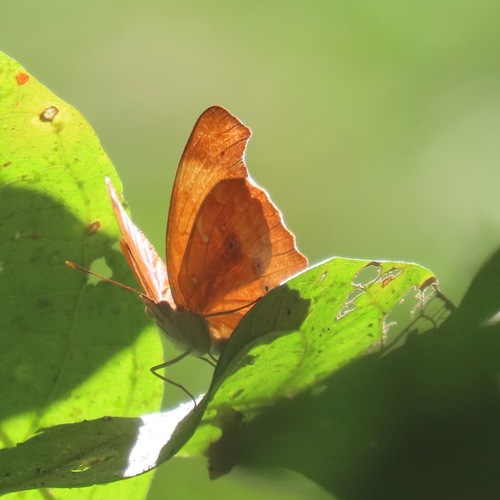 Bandera naranja
Orange Banner
Temenis laothoe details →
Forest brushfoot
Bandera naranja
Orange Banner
Temenis laothoe details →
Forest brushfoot
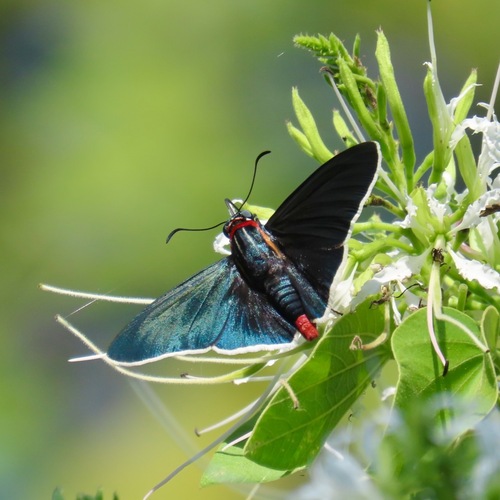 Punta de fuego
Scylla Firetip
Elbella scylla details →
Skipper, fast and orange
Punta de fuego
Scylla Firetip
Elbella scylla details →
Skipper, fast and orange
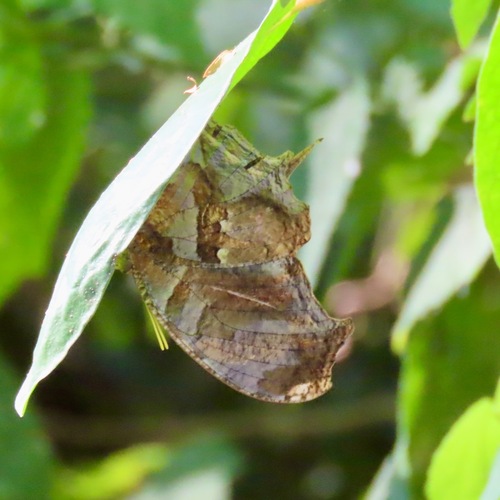 Hoja tigre
Tiger Leafwing
Consul fabius details →
Cryptic underwing, dry-forest
Hoja tigre
Tiger Leafwing
Consul fabius details →
Cryptic underwing, dry-forest
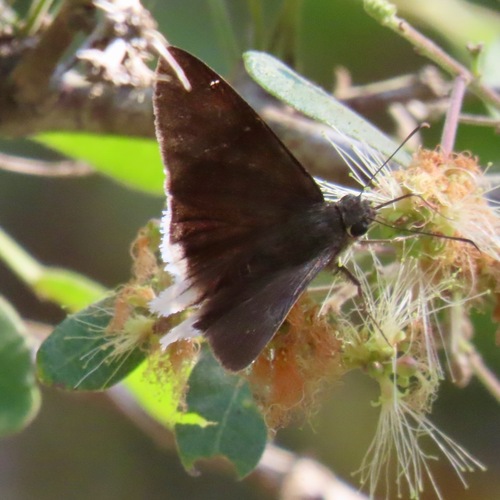 Cola larga blanca
White-tailed Longtail
Cecropterus doryssus details →
Long-tailed skipper
Cola larga blanca
White-tailed Longtail
Cecropterus doryssus details →
Long-tailed skipper
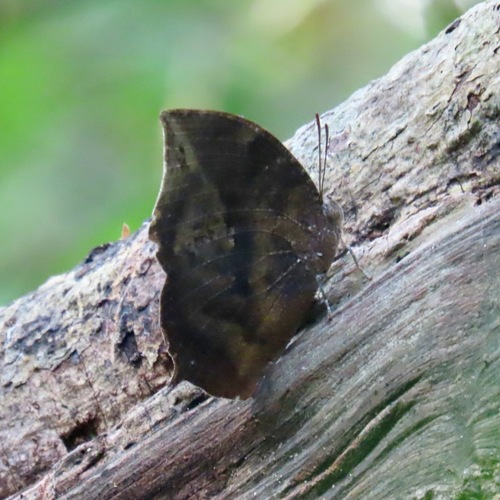 Hoja Forrer
Forrer's Leafwing
Memphis forreri details →
Cryptic, rapid flight
Hoja Forrer
Forrer's Leafwing
Memphis forreri details →
Cryptic, rapid flight
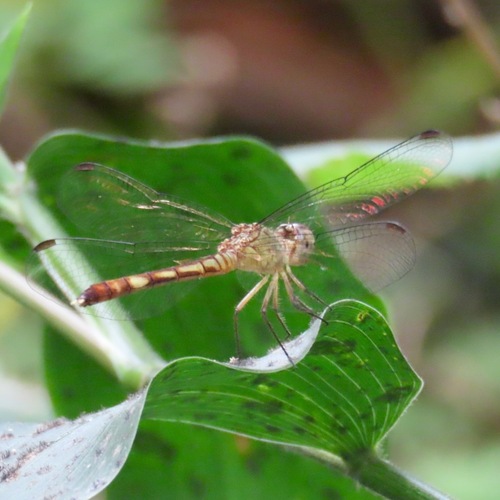 Ojo azul
Common Blue-eye
Anatya guttata details →
Damselfly, lagoon edge
Ojo azul
Common Blue-eye
Anatya guttata details →
Damselfly, lagoon edge
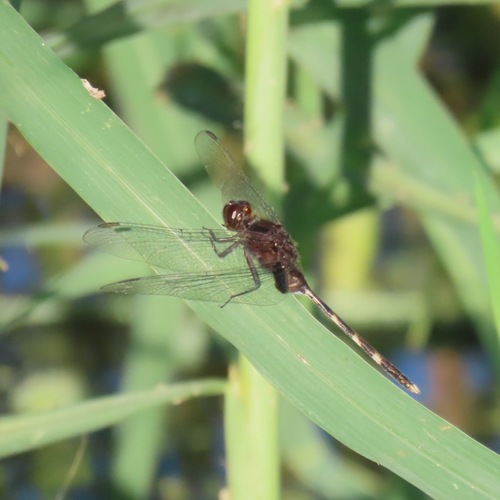 Halcón de estanque
Pin-tailed Pondhawk
Erythemis plebeja details →
Dragonfly, lagoon predator
Halcón de estanque
Pin-tailed Pondhawk
Erythemis plebeja details →
Dragonfly, lagoon predator
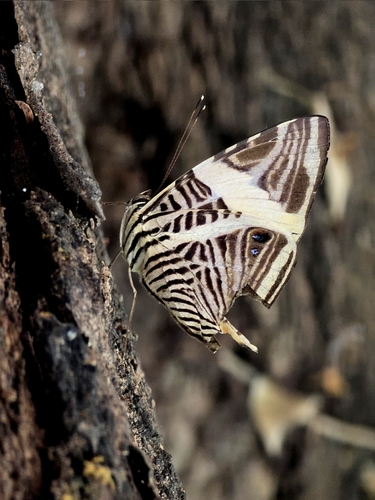 Belleza de Dirce
Dirce Beauty
Colobura dirce details →
Tree-trunk-perching brushfoot
Belleza de Dirce
Dirce Beauty
Colobura dirce details →
Tree-trunk-perching brushfoot
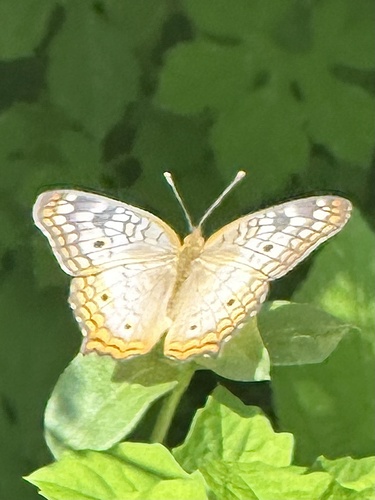 Pavo blanco
White Peacock
Anartia jatrophae details →
Brushfoot, lagoon margin
Pavo blanco
White Peacock
Anartia jatrophae details →
Brushfoot, lagoon margin
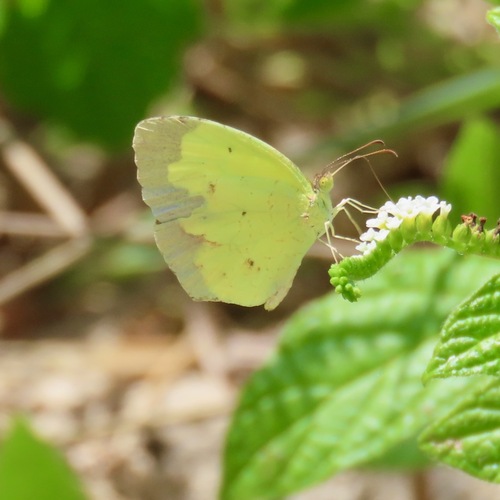 Amarilla de Boisduval
Boisduval's Yellow
Eurema boisduvaliana details →
Sulphur, open ground
Amarilla de Boisduval
Boisduval's Yellow
Eurema boisduvaliana details →
Sulphur, open ground
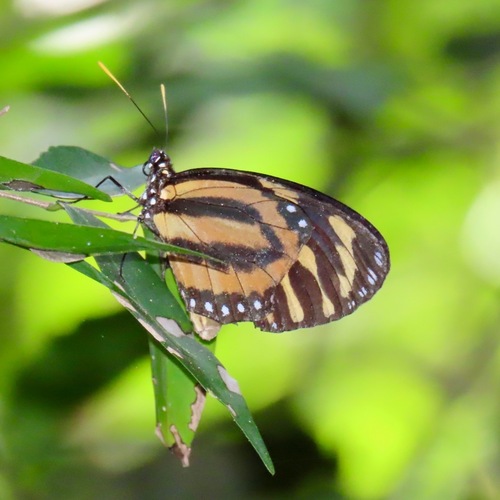 Reina tigre
Tiger-mimic Queen
Lycorea halia details →
Monarch-mimic, milkweed
Reina tigre
Tiger-mimic Queen
Lycorea halia details →
Monarch-mimic, milkweed
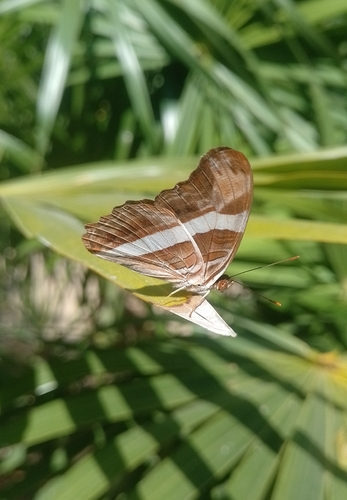 Hermana mexicana
Mexican Sister
Adelpha fessonia details →
Forest brushfoot
Hermana mexicana
Mexican Sister
Adelpha fessonia details →
Forest brushfoot
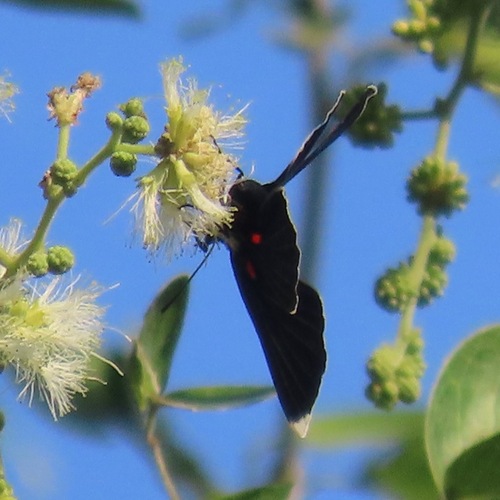 Marca metálica
White-tipped Metalmark
Melanis acroleuca details →
Iridescent, forest-edge
Marca metálica
White-tipped Metalmark
Melanis acroleuca details →
Iridescent, forest-edge
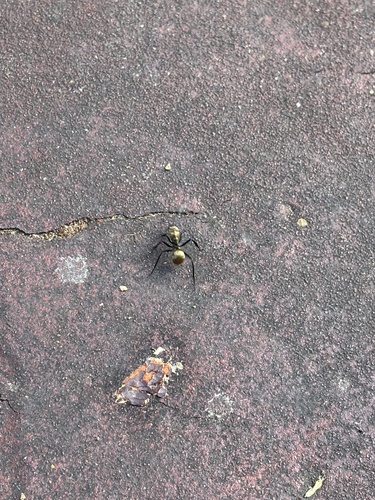 Hormiga dorada
Golden Sugar Ant
Camponotus sericeiventris details →
Arboreal, gold-sheen
Hormiga dorada
Golden Sugar Ant
Camponotus sericeiventris details →
Arboreal, gold-sheen
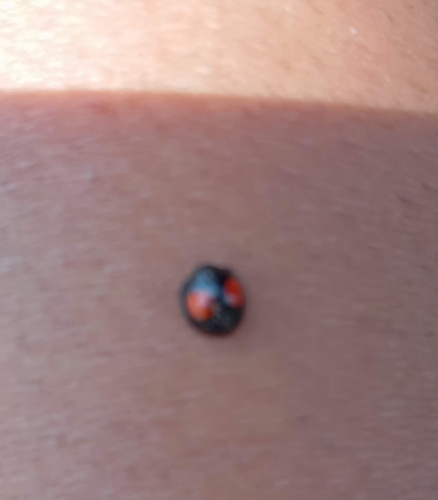 Mariquita de cactus
Cactus Lady Beetle
Chilocorus cacti details →
Beetle, scale-insect predator
Mariquita de cactus
Cactus Lady Beetle
Chilocorus cacti details →
Beetle, scale-insect predator
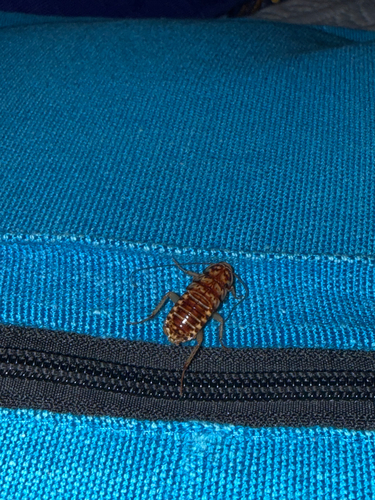 Cucaracha arlequín
Harlequin Cockroach
Neostylopyga rhombifolia details →
Bold black-and-yellow, harmless
Cucaracha arlequín
Harlequin Cockroach
Neostylopyga rhombifolia details →
Bold black-and-yellow, harmless
Listen for these — the soundscape
The dry forest behind Saladita has its own daily acoustic schedule. Cicadas dominate the heat of the day with droning calls audible from hundreds of meters. Crickets take over after dusk. These are the most likely callers — recordings from iNaturalist research-grade observations of the same species at other Mexican Pacific sites.
The largest cicada in the Americas (~6 cm). Loud rasping song carries across the forest canopy; one of the dominant sounds of the Mexican Pacific dry season.
Sharp, evenly spaced chirps after dusk. The cricket you hear from the casita at night, every night, all rainy season.
Lower, more continuous trill than the house cricket. Two or three calling together produce a wash of sound; dozens make a chorus.
Tree crickets are the soft pulsing sound behind the louder field crickets — a continuous purr from the shrub layer. Recently described from Mexico (2019).
Sustained buzzing call distinct from the crickets — coarser, longer-pulsed. Range-confirmed for the Mexican Pacific dry forest; the most likely large katydid you'll hear at Saladita.
Photos and audio via iNaturalist (CC-licensed). Insect diversity here is enormous — these are highlights. Butterflies are the signature group, with the dry forest behind the village supporting dozens of species in the wet-season flush. Fireflies (Photinus) peak from mid-June through early August in synchrony with the first rains. Mosquitoes (Aedes aegypti) are the most medically important: dengue and Zika both circulate regionally. Use repellent at dawn and dusk during rainy season.
Top documented species


Freshwater, saltwater, and dry scrub within a few hundred metres creates exceptional insect habitat. Butterflies best-documented: 100+ species within 25 km. Notable: barred yellow (*Eurema daira*), banded peacock (*Anartia fatima*), crimson-patched longwing (*Heliconius erato*), migratory monarch in late autumn. Lagoon dragonflies: black-winged dragonlet (*Erythrodiplax funerea*), carmine skimmer (*Orthemis discolor*), great pondhawk (*Erythemis vesiculosa*). Beetles: most species-rich order on Earth, most undersampled here — current data skews toward photogenic lady beetles. Secondary Jul–Aug peak when rainfall triggers flowering and fungi.
Observation activity by month
Monthly counts from combined iNaturalist + GBIF data (2000–2025, within 25 km of Saladita). Counts reflect observation effort as much as true seasonal abundance — Nov–Jan are well-sampled visitor months.
Recent sightings
iNaturalist observations logged within 25 km of La Saladita in the last 30 days. Records include research-grade and needs-ID observations. Photos shown where available.
Three orders, three habitats
Butterflies & Moths
The best-documented insect group here. Open scrub, beach vegetation, and flowering trees provide continuous nectar through much of the year. Sulphurs, whites, nymphalids, swallowtails, and blues are all well represented. Migratory Monarchs (Danaus plexippus) and sulphurs pass through Sep–Nov on their southbound movement along the Pacific coast.
- Eurema daira — Barred Yellow n=66
- Hemiargus ceraunus — Ceraunus Blue n=56
- Ascia monuste — Great Southern White n=48
- Anartia fatima — Banded Peacock n=46
- Marpesia petreus — Ruddy Daggerwing n=45
- Euptoieta hegesia — Mexican Fritillary n=44
- Battus polydamas — Polydamas Swallowtail n=41
- Heliconius erato — Red Passion Flower Butterfly n=41
Dragonflies & Damselflies
The estuary lagoon behind the beach is the key habitat. Dragonlets, skimmers, pondhawks, and dashers patrol the water margins year-round. Damselflies — firetails and damsels — are present but undersampled due to size. The strongest records come from Jan–Feb and the rainy season (Jul–Sep) when lagoon water levels are highest.
- Erythrodiplax funerea — Black-winged Dragonlet n=37
- Orthemis discolor — Carmine Skimmer n=18
- Erythemis vesiculosa — Great Pondhawk n=17
- Telebasis salva — Desert Firetail n=15
- Dythemis sterilis — Brown Setwing n=9
- Micrathyria hagenii — Thornbush Dasher n=8
- Perithemis intensa — Mexican Amberwing n=6
Beetles
Almost certainly the most species-rich insect order in the mangrove and dry forest — but the most undersampled in the data. Current records are biased toward conspicuous lady beetles and leaf beetles. Longhorns, buprestids, weevils, and ground beetles likely constitute the majority of local beetle diversity but require deliberate searching and specialist identification to record.
- Epilachna tredecimnotata — Southern Squash Lady Beetle n=21
- Zopherus nodulosus — Iron-clad Beetle n=15
- Deloyala lecontei — Tortoise Beetle n=15
- Cycloneda sanguinea — Spotless Lady Beetle n=12
- Charidotella sexpunctata — Golden Tortoise Beetle n=12
- Chilocorus cacti — Cactus Lady Beetle n=11
- Acmaeodera trizonalis — Jewel Beetle n=11
The insect chorus
Cicadas dominate the dry-season soundscape (December–April). Multiple Diceroprocta and Tibicen species produce the high-volume chorus audible from the beach. Crickets and katydids take over at night near the lagoon margins year-round.
Cicadas
The loudest sound in the dry-season landscape. Cicada choruses begin at dawn and peak mid-morning; the amplitude is remarkable at close range. Multiple species documented in the Guerrero dry forest. iNaturalist sound observations for this group, when available, can be found via the link below — run the build script to embed them directly.
Crickets & Katydids
Nocturnal chirping near the lagoon and beach scrub, audible every night year-round. Several Gryllus and Neoconocephalus species documented in this coastal corridor. Most active Aug–Nov during and after the rainy season. The sound is a constant backdrop at any accommodation near the estuary.
Most recorded insects
Top species (effort-normalized)
- Eurema dairaUncommon · 1.23%
- Hemiargus ceraunusUncommon · 1.05%
- Marpesia petreusUncommon · peak Aug–Sep
- Erythrodiplax funereaUncommon · peak Aug–Sep
- Orthemis discolorUncommon · peak wet season
With 5,350 total insect records and 1,514 species, no individual species exceeds the 3% "Common" threshold. All top-30 are "Uncommon" by frequency. November bias corrected: wet-season species (Jul–Oct) were systematically undercounted in raw data — effort normalization restores their true peak timing.
Jul–Oct, not November
Raw records spike in November (1,439 obs vs 68 in May) — a 21× observer bias driven by peak tourist season. After effort normalization, the biological peak is July–October (wet season). Species like Marpesia petreus (Ruddy Daggerwing) and Erythrodiplax funerea were miscategorized as November species in raw counts. Their real peak is August–September.
Top 30 insect species by combined iNaturalist + GBIF records within 25 km of La Saladita, 2000–2025. Lepidoptera dominate — a reflection of observer interest, not ecological dominance.
| Scientific name | Common name | Order | Obs |
|---|---|---|---|
| Eurema daira | Barred Yellow | Lepidoptera | 66 |
| Hemiargus ceraunus | Ceraunus Blue | Lepidoptera | 56 |
| Ascia monuste | Great Southern White | Lepidoptera | 48 |
| Anartia fatima | Banded Peacock | Lepidoptera | 46 |
| Urbanus dorantes | Dorantes Longtail | Lepidoptera | 46 |
| Marpesia petreus | Ruddy Daggerwing | Lepidoptera | 45 |
| Euptoieta hegesia | Mexican Fritillary | Lepidoptera | 44 |
| Battus polydamas | Polydamas Swallowtail | Lepidoptera | 41 |
| Heliconius erato | Red Passion Flower Butterfly | Lepidoptera | 41 |
| Anartia jatrophae | White Peacock | Lepidoptera | 40 |
| Anthanassa tulcis | Tulcis Crescent | Lepidoptera | 37 |
| Erythrodiplax funerea | Black-winged Dragonlet | Odonata | 37 |
| Dryas iulia | Julia Heliconian | Lepidoptera | 36 |
| Siproeta stelenes | Malachite | Lepidoptera | 36 |
| Dione vanillae | Gulf Fritillary | Lepidoptera | 35 |
| Hamadryas februa | Gray Cracker | Lepidoptera | 34 |
| Phoebis sennae | Cloudless Sulphur | Lepidoptera | 34 |
| Pyrgus oileus | Tropical Checkered-Skipper | Lepidoptera | 34 |
| Microtia elva | Elva's Crescent | Lepidoptera | 34 |
| Antigonus erosus | Frayed Skipper | Lepidoptera | 33 |
| Orthemis discolor | Carmine Skimmer | Odonata | 18 |
| Erythemis vesiculosa | Great Pondhawk | Odonata | 17 |
| Telebasis salva | Desert Firetail | Odonata | 15 |
| Epilachna tredecimnotata | Southern Squash Lady Beetle | Coleoptera | 21 |
| Stenygra histrio | Longhorn Beetle | Coleoptera | 16 |
| Zopherus nodulosus | Iron-clad Beetle | Coleoptera | 15 |
| Deloyala lecontei | Tortoise Beetle | Coleoptera | 15 |
| Cycloneda sanguinea | Spotless Lady Beetle | Coleoptera | 12 |
| Charidotella sexpunctata | Golden Tortoise Beetle | Coleoptera | 12 |
| Chilocorus cacti | Cactus Lady Beetle | Coleoptera | 11 |
Every documented arthropod.
Beyond the signature groups above: the full list of insects — and the spiders, scorpions and other arachnids — with a research-grade iNaturalist record within 50 km of La Saladita. Type to filter; tap any card for the full species page.
Loading…
Methodology & sources
- iNaturalist: Observations API v1, taxon_id=47158 (class Insecta), 25 km radius from La Saladita (17.5897°N, -101.4317°W), quality_grade=research+needs_id, years 2000–2025. 1,623 records retrieved.
- GBIF: Occurrence Search API v1, taxonKey=216 (class Insecta), bounding box derived from 25 km radius, hasCoordinate=true, years 2000–2025. 3,727 records retrieved.
- Overlap note: iNaturalist observations are a primary GBIF contributor. Source counts overlap; combined total (5,350) is a proxy pull count, not a deduplicated sum. Counts are treated as independent queries from each API.
- Species count: 1,514+ distinct scientific names resolved across both sources. Counts include binomials only; unresolved/class-level records excluded.
- Notable groups: Lepidoptera, Odonata, Coleoptera filtered by order field in GBIF and ancestor taxa in iNaturalist. Counts reflect the group-order records retrieved; many additional species from these orders are likely present but unrecorded.
- Monthly distribution: Records with valid month field only. Records without a month field (a minority) are counted in n_observations but excluded from monthly totals.
- Coverage caveat: This region is under-surveyed relative to better-documented areas. Absence from the dataset should not be interpreted as species absence. The data is an artifact of observation effort, not comprehensive biodiversity assessment.
- Live recent sightings: iNaturalist observations API, 30-day rolling window, same radius. Cached 12 hours.
Data last refreshed: —