Guerrero Coast · Pacific Mexico · 17.59°N, 101.43°W

Reptiles &
Amphibians

of La Saladita.

33 documented species within 50 km — iguanas, basilisks, geckos, snakes, crocodile, freshwater turtles, wet-season frogs and toads. Two venomous species — the land coral snake and the marine yellow-bellied sea snake — plus one toxic toad. Data from iNaturalist and GBIF; snake records are known to be undercounted.

1,330 iNat reptile obs 107 iNat amphibian obs 745 GBIF reptile records 285 GBIF amphibian records

The tropical dry forest and lagoon mosaic around La Saladita is genuinely rich in herps — iguanas bask visibly, geckos colonize walls at night, and the estuary holds American crocodiles.

33+ species confirmed in this ecosystem

1,330 iNaturalist reptile observations, 107 amphibian — the photo field guide.

Field guide
Photo field guide

Reptiles & amphibians at Saladita

Iguanas & lizards (most visible)

View species detail for Iguana iguana Green Iguana (Iguana iguana) Iguana verde Green Iguana Iguana iguana details → Lagoon-side, large, edible
View species detail for Ctenosaura pectinata Mexican Spiny-tailed Iguana (Ctenosaura pectinata) Iguana negra / Garrobo Mexican Spiny-tailed Iguana Ctenosaura pectinata details → Rocks, dry forest
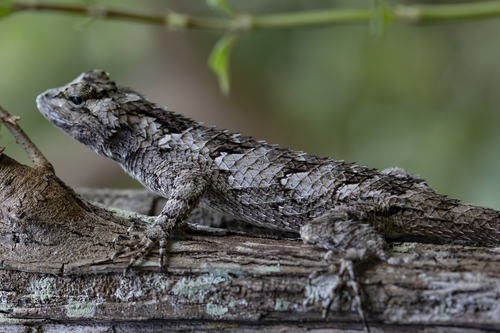
View species detail for Sceloporus melanorhinus Black-lipped Spiny Lizard (Sceloporus melanorhinus) Lagartija negra Black-lipped Spiny Lizard Sceloporus melanorhinus details → Tree trunks, common
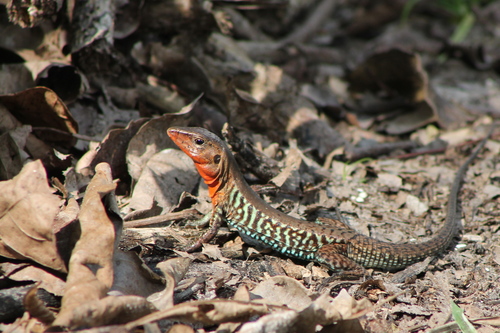
View species detail for Aspidoscelis lineatissima
photo
Huico rayado Many-lined Whiptail Aspidoscelis lineatissima details → Fast, ground, day-active
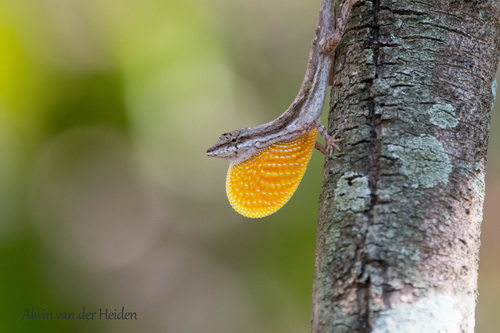
View species detail for Anolis nebulosus Clouded Anole (Anolis nebulosus) Anolis nuboso Clouded Anole Anolis nebulosus details → Small, color-changing
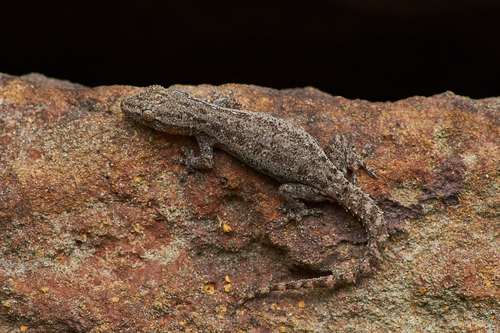
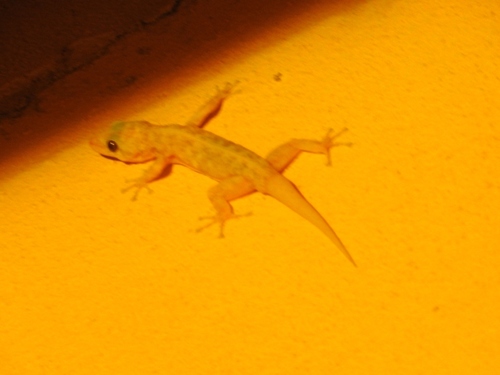
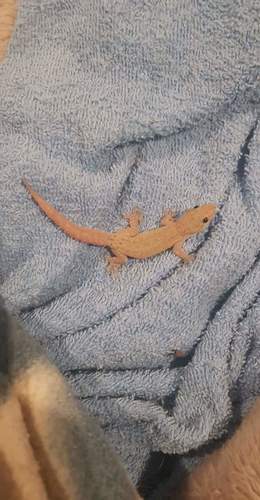
View species detail for Hemidactylus frenatus Common House Gecko (Hemidactylus frenatus) Gecko de casa Common House Gecko Hemidactylus frenatus details → Houses, walls at night
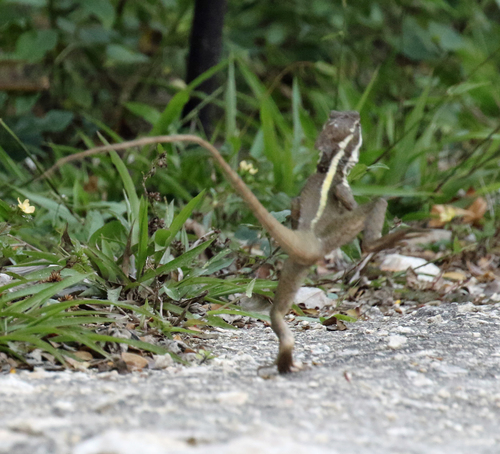
View species detail for Basiliscus vittatus Brown Basilisk (Basiliscus vittatus) Basilisco café Brown Basilisk Basiliscus vittatus details → Runs on water, lagoon edge
Snakes

View species detail for Boa constrictor Boa Constrictor (Boa constrictor) Boa Boa Constrictor Boa constrictor details → Dry forest, large, non-venomous
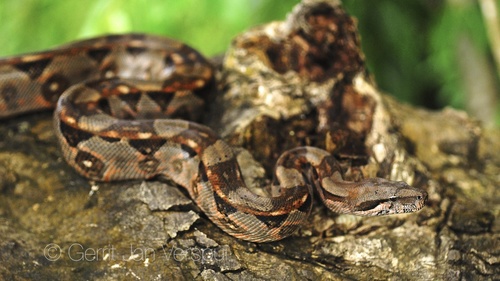
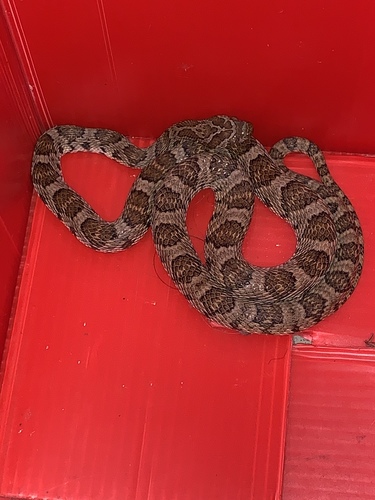
View species detail for Crotalus basiliscus Mexican West-Coast Rattlesnake (Crotalus basiliscus) Cascabel del Pacífico Mexican West-Coast Rattlesnake Crotalus basiliscus details → VENOMOUS · dry forest
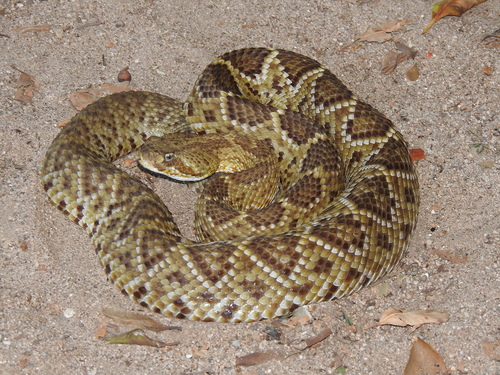
View species detail for Agkistrodon bilineatus Cantil (Agkistrodon bilineatus) Cantil / Mocasín mexicano Cantil Agkistrodon bilineatus details → VENOMOUS pit viper · NO rattle · coastal lowlands
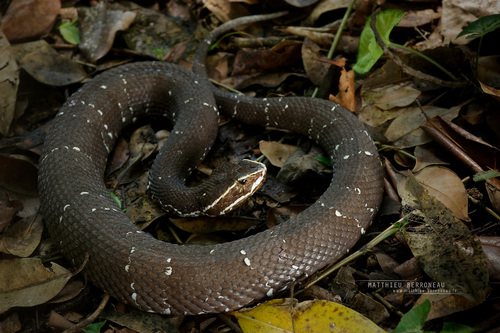
View species detail for Pituophis lineaticollis Mexican Bull Snake (Pituophis lineaticollis) Cincuate / Alicante Mexican Bull Snake Pituophis lineaticollis details → Non-venomous · mimics rattler when threatened
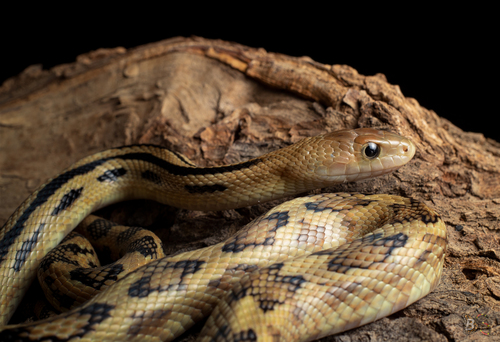
View species detail for Drymarchon melanurus Mexican Indigo Snake (Drymarchon melanurus) Tilcuate / Culebra arroyera Mexican Indigo Snake Drymarchon melanurus details → Non-venomous · large, fast, kills rattlers
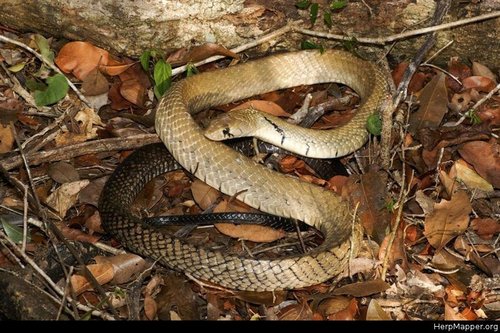
View species detail for Masticophis flagellum Coachwhip (Masticophis flagellum) Cuije / Chirrionera Coachwhip Masticophis flagellum details → Non-venomous · slender, fast, brown/tan, day-active
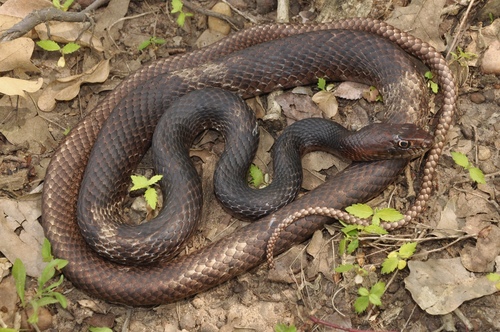
View species detail for Oxybelis aeneus Brown Vine Snake (Oxybelis aeneus) Bejuquilla Brown Vine Snake Oxybelis aeneus details → Documented at Saladita · slender, arrow-shaped head
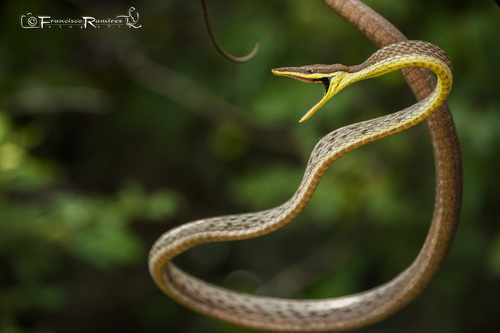
View species detail for Leptophis mexicanus Mexican Parrot Snake (Leptophis mexicanus) Culebra perico Mexican Parrot Snake Leptophis mexicanus details → Bright green, mangroves
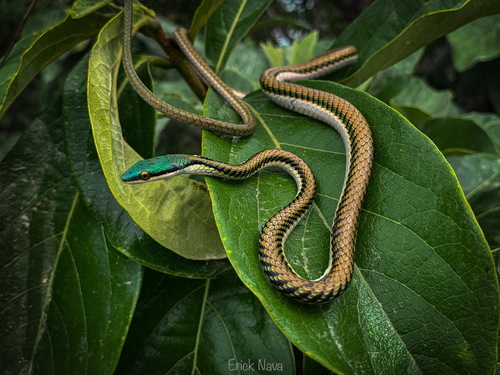
View species detail for Leptophis diplotropis Pacific Coast Parrot Snake (Leptophis diplotropis) Culebra perico del Pacífico Pacific Coast Parrot Snake Leptophis diplotropis details → Yellow throat, Pacific endemic, arboreal
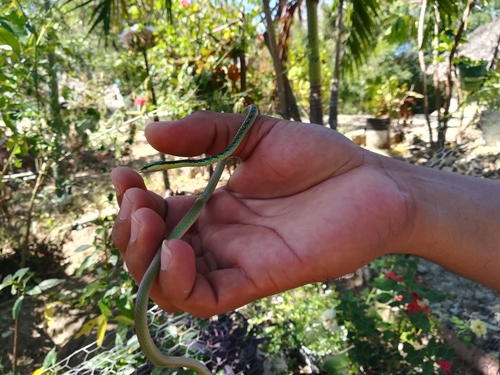
View species detail for Thamnophis cyrtopsis Black-necked Garter Snake (Thamnophis cyrtopsis) Culebra de agua Black-necked Garter Snake Thamnophis cyrtopsis details → Streams, lagoon edge
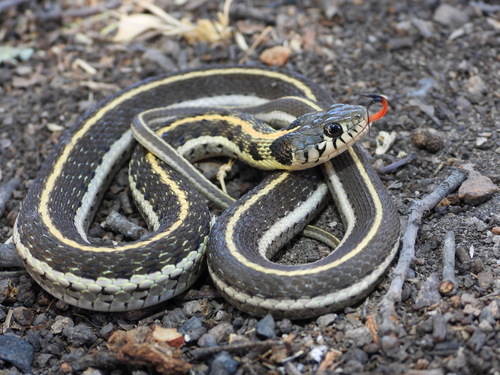
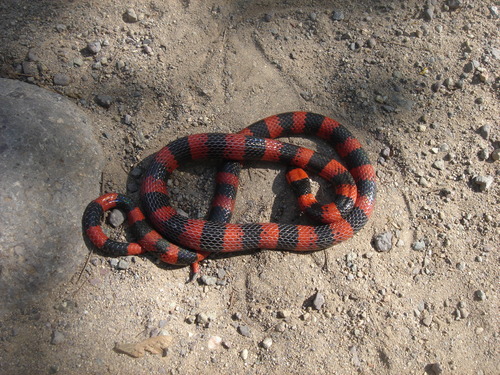
View species detail for Micrurus laticollaris Balsan Coral Snake (Micrurus laticollaris) Coralillo Balsan Coral Snake Micrurus laticollaris details → VENOMOUS · red/yellow/black, reclusive
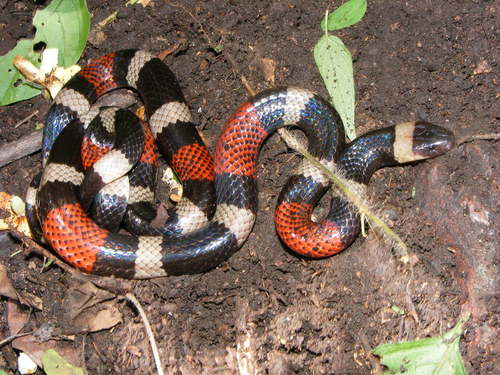
View species detail for Micrurus browni Brown's Coral Snake (Micrurus browni) Coralillo de Brown Brown's Coral Snake Micrurus browni details → Venomous, banded, rare
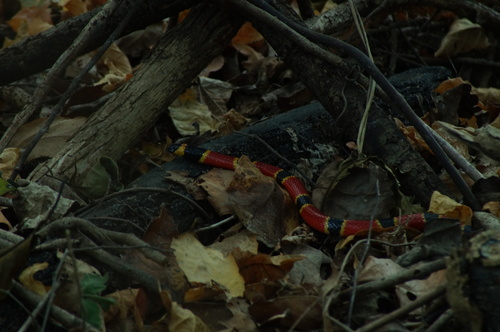
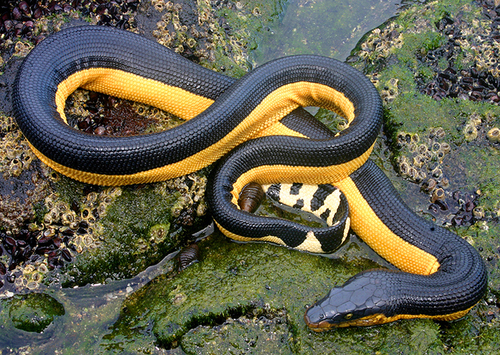
View species detail for Hydrophis platurus Yellow-bellied Sea Snake (Hydrophis platurus) Serpiente marina de vientre amarillo Yellow-bellied Sea Snake Hydrophis platurus details → Venomous, marine — washes ashore; never handle
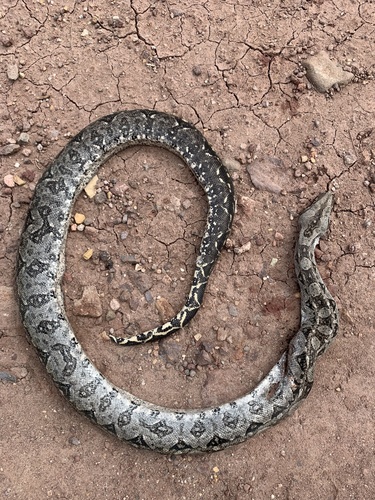
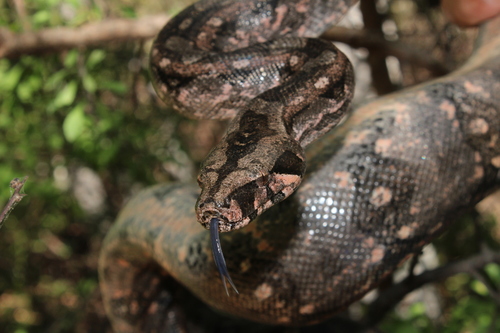
View species detail for Boa sigma Mexican West Coast Boa (Boa sigma) Boa / Mazacuata Mexican West Coast Boa Boa sigma details → Non-venomous constrictor · largest local snake
Terrestrial turtles (NOT the sea turtles — see /turtles/)

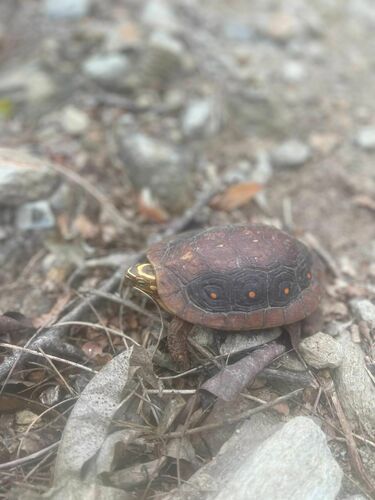
Field mark for the Painted Wood Turtle: each costal scute on the carapace carries a concentric “eye spot” pattern — a dark center ringed by lighter growth rings — giving the “painted” name. The Mexican Wood Turtle has a plainer, more uniformly olive shell without the painted rings.

View species detail for Rhinoclemmys pulcherrima Painted Wood Turtle (Rhinoclemmys pulcherrima) Tortuga del bosque pintada Painted Wood Turtle Rhinoclemmys pulcherrima details → Documented at Saladita · "eye-spot" carapace
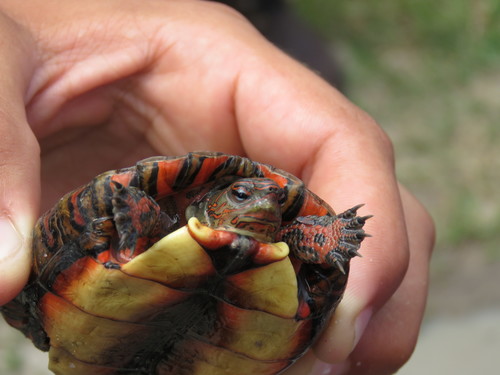
View species detail for Rhinoclemmys rubida Mexican Wood Turtle (Rhinoclemmys rubida) Tortuga del bosque mexicana Mexican Wood Turtle Rhinoclemmys rubida details → Pacific MX endemic · IUCN Near Threatened
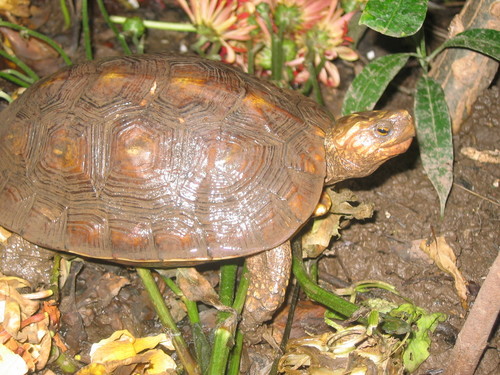
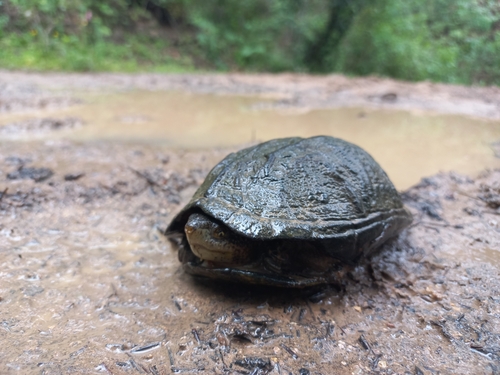
View species detail for Kinosternon integrum Mexican Mud Turtle (Kinosternon integrum) Tortuga de lodo mexicana Mexican Mud Turtle Kinosternon integrum details → Freshwater, seasonal
Crocodiles (lagoon — see safety note)

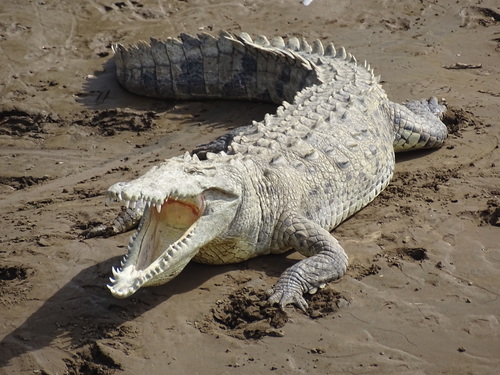
View species detail for Crocodylus acutus American Crocodile (Crocodylus acutus) Cocodrilo americano American Crocodile Crocodylus acutus details → Lagoon residents — STAY OUT OF THE WATER
Amphibians (rainy season)

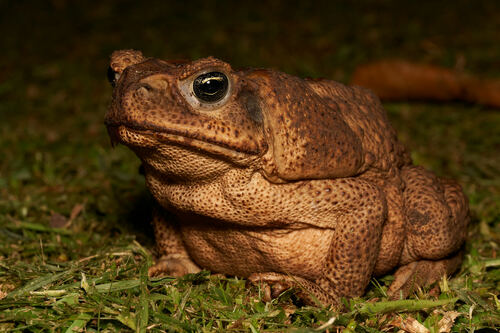
View species detail for Rhinella horribilis Cane Toad (Rhinella horribilis) Sapo gigante Cane Toad Rhinella horribilis details → Large, toxic skin glands
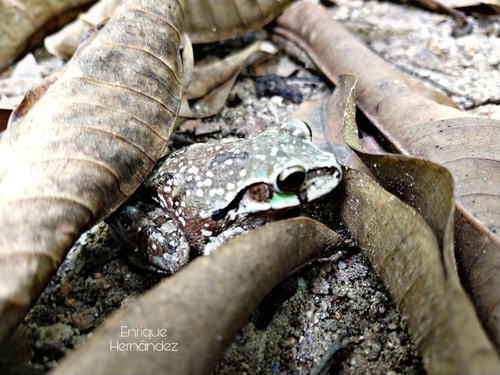
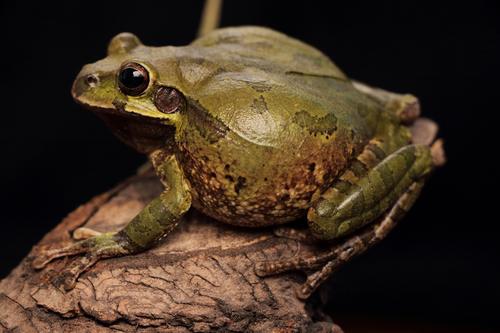
View species detail for Smilisca baudinii Common Mexican Tree Frog (Smilisca baudinii) Rana arborícola Common Mexican Tree Frog Smilisca baudinii details → Calls after rain
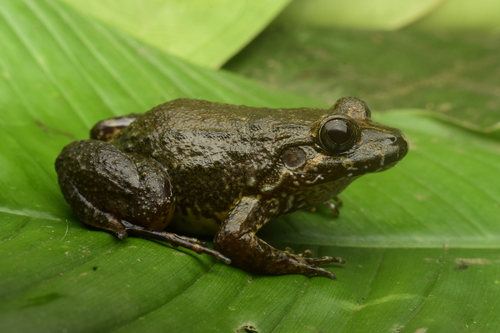
View species detail for Leptodactylus melanonotus Sabinal Frog (Leptodactylus melanonotus) Rana espuma Sabinal Frog Leptodactylus melanonotus details → Builds foam nests
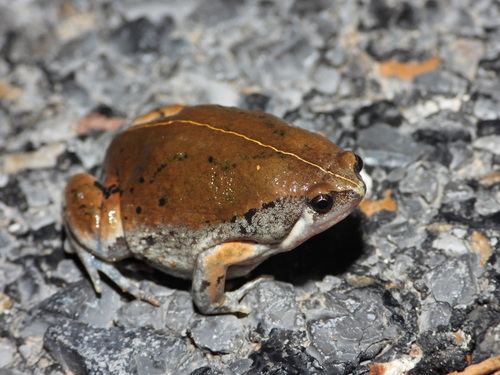
View species detail for Hypopachus variolosus Sheep Frog (Hypopachus variolosus) Sapito boca angosta Sheep Frog Hypopachus variolosus details → Bleats like a sheep
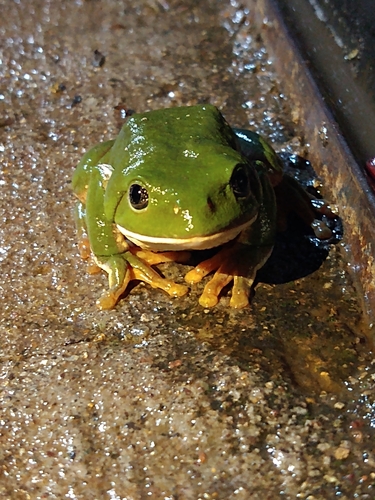
View species detail for Agalychnis dacnicolor Mexican Giant Tree Frog (Agalychnis dacnicolor) Rana de árbol gigante Mexican Giant Tree Frog Agalychnis dacnicolor details → Tree frog, wet season
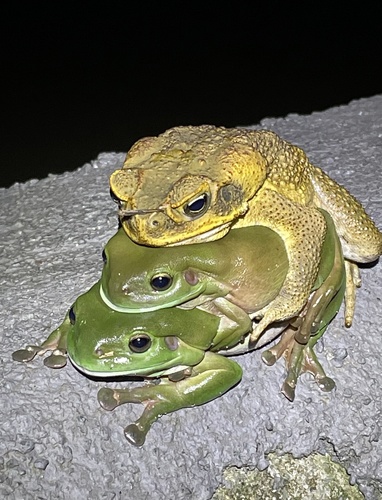
View species detail for Rhinella marina Cane Toad (Rhinella marina) Sapo marino Cane Toad Rhinella marina details → Toxic, common near lights
Arachnids

View species detail for Centruroides limpidus Mexican Bark Scorpion (Centruroides limpidus) Alacrán de corteza Mexican Bark Scorpion Centruroides limpidus details → Venomous, hides in shoes
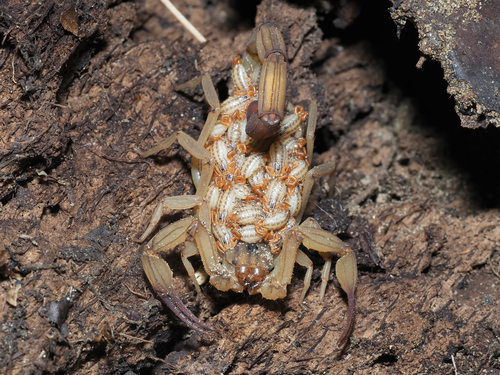
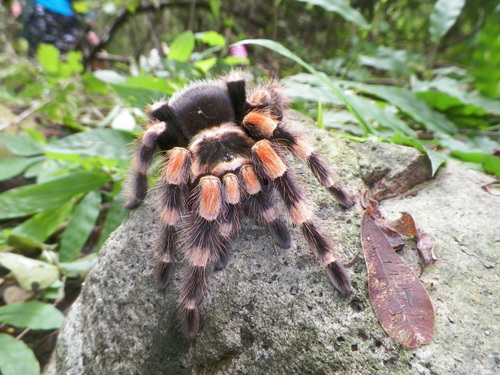
View species detail for Brachypelma smithi Mexican Red-knee Tarantula (Brachypelma smithi) Tarántula rodilla roja Mexican Red-knee Tarantula Brachypelma smithi details → Burrowing, protected
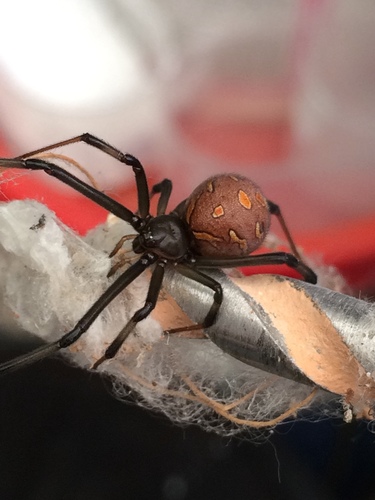
View species detail for Latrodectus geometricus Brown Widow (Latrodectus geometricus) Viuda marrón Brown Widow Latrodectus geometricus details → Venomous, low-dark spaces
Photos via iNaturalist (CC-licensed). The two iguanas are the most visible — green iguana around the lagoon, black spiny-tailed on dry rocks. Snake activity peaks for 24–48 hours after the first rains of the season; two venomous species require attention (Mexican West-Coast Rattlesnake, Balsan Coral). The American crocodile in the lagoon is non-negotiable — never enter the water. Arachnids are documented in the arachnid section below.
Safety

Two species require attention.

Venomous

Coral Snake — Micrurus browni

Brown's Coral Snake is the venomous land snake documented within 50 km of Saladita (2 GBIF records; documented in Guerrero / Pacific slope literature). Genuinely rare, secretive, and fossorial — you are unlikely to encounter one. (The area's other venomous reptile, the yellow-bellied sea snake, is marine — see the fish guide's hazards.) If you do meet a coral snake:

Identification. Banding pattern: red–black–yellow–black–red (the red and yellow bands touch or are separated only by black). The rhyme “red touch yellow, kill a fellow” applies to North American coral snakes but is less reliable for Mexican Pacific species — when in doubt, any banded snake with red + yellow is a coral snake until confirmed otherwise. Small head, round pupils, glossy scales. Total length typically 40–60 cm.

What to do. Do not handle, attempt to pick up, or kill. Back away slowly. The snake has no interest in humans and will not pursue. Envenomation (neurotoxic) requires medical treatment — immobilise the limb, keep victim calm, and reach the nearest hospital with antivenom capability. The nearest facilities are in Zihuatanejo (~35 km); IMSS Zihuatanejo has antivenom. Do not cut the wound or apply a tourniquet.

Rule: Never reach into rock crevices, under logs, or into dense leaf litter without checking. Coral snakes use these microhabitats.
Rule: Any slow-moving, banded snake on the ground should be left alone and given wide berth.
Toxic — pets especially

Cane Toad / Marine Toad — Rhinella marina

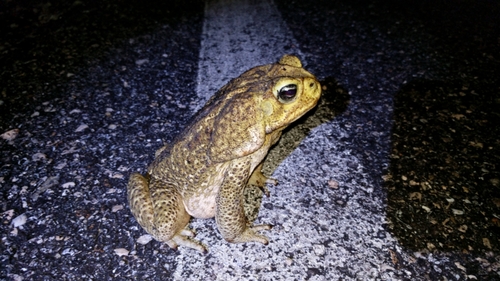
The Cane Toad is common throughout coastal Guerrero. Adults are large (up to 15 cm), warty, and brown-grey with prominent parotoid glands behind the head. These glands secrete bufotoxins (bufadienolides) — cardiac glycosides that are toxic when absorbed through mucous membranes.

Dogs are the primary risk. A dog that mouths or licks a Cane Toad can experience excessive salivation, disorientation, muscle tremors, and cardiac arrhythmia within minutes. If this occurs: rinse the dog's mouth and gums thoroughly with running water (do not let the dog swallow), and seek veterinary attention. Symptoms that persist beyond 30 minutes require emergency care.

Humans. Handling is generally safe if you wash your hands afterwards and do not touch your eyes or mouth. Do not attempt to cook or eat Cane Toads — bufotoxins are not destroyed by heat.

The closely related Rhinella horribilis (Giant Toad) is also present and has similar, though generally milder, toxicity from its parotoid secretions. Apply the same caution for pets.

Rule: Keep dogs on a lead near the lagoon margin and landscaped areas after dark — Cane Toads are nocturnal and most dog encounters happen at night near light sources where insects (and toads) congregate.
Arachnida

Scorpions, spiders & other arachnids.

Not reptiles or amphibians, but they share the same nocturnal-dry-forest niche — and one group is the most medically significant venomous animal you will share space with at Saladita on a daily basis. The scorpions are in every house; the tarantulas are in every hillside burrow. Worth knowing on sight.

Scorpion safety — read before you arrive

Centruroides bark scorpions are in every structure at Saladita

Centruroides limpidus (and related species) are the dominant scorpion of coastal Guerrero. They live inside houses, behind furniture, under rocks, and in palm thatch. Their sting causes immediate, intense burning pain. In healthy adults it is rarely life-threatening; children under 10, adults over 65, and anyone with a heart condition face higher risk and should go directly to a clinic.

Standard precautions:

Rule: Shake out shoes before putting them on. Check flip-flops that have been left outside overnight.
Rule: Check bedding before getting in, especially in ground-floor or open-air rooms.
Rule: Never reach bare-handed under rocks, behind furniture, or into wood piles you haven't visually cleared.
Rule: A cheap UV flashlight (any hardware store, ~$3 USD) reveals scorpions glowing vivid blue-green on walls. Run one over any outdoor wall at night to understand how present they actually are.

If stung: Wash the site, apply a cold pack for pain. Clinic visit is warranted for any child, elderly person, or if systemic symptoms develop (difficulty swallowing, blurred vision, muscle twitching). Antivenom is Alacramyn (BIOCLON/Rare Disease), available at IMSS and major pharmacies in Zihuatanejo (~35 km). For healthy adults: most stings resolve in 2–8 hours with pain management alone.

Scorpions — Order Scorpiones

Three Centruroides bark scorpions are documented or strongly expected on the Guerrero Pacific slope. All three are medically relevant. A large Diplocentrus species is also present but less dangerous. Bark scorpions fluoresce blue-green under UV; the large forest scorpions fluoresce dull green or not at all.

View species detail for Centruroides limpidus Mexican bark scorpion (Centruroides limpidus)
David Valenzuela · iNat · CC-BY-NC
Centruroides limpidus

Mexican Bark Scorpion

MEDICALLY SIGNIFICANT iNat confirmed houses & rocks

The dominant scorpion of coastal Guerrero and most of western Mexico. Small (4–6 cm), straw to pale yellow, slender pincers, thin segmented tail with a fine curved stinger at the tip. Nocturnal; shelters by day under bark, rocks, debris, and inside wall gaps. Sting causes intense burning pain; neurotoxic venom. Glows vivid blue-green under UV.

Spanish: alacrán de cintura / alacrán de Guerrero. Habitat: houses, palapa thatch, stone walls, rocky dry forest. Season: year-round; activity peaks Mar–Jun (warm dry months). Medical: antivenom = Alacramyn, IMSS Zihuatanejo.

View species detail for Centruroides elegans Sinaloan bark scorpion (Centruroides elegans)
lilymariie · iNat · CC-BY-NC
Centruroides elegans

Sinaloan Bark Scorpion

MEDICALLY SIGNIFICANT iNat confirmed Mexico Pacific slope

Closely related to C. limpidus; slightly more slender and often with a darker stripe running the length of the metasoma. Distributed across the Mexican Pacific slope dry forest including Guerrero. Behaviorally and ecologically nearly identical to C. limpidus; treat any pale, thin-tailed scorpion in this region as medically relevant.

Spanish: alacrán del Pacífico. Habitat: rock faces, dry forest bark, structures. Season: year-round. Range: Pacific slope Mexico from Sinaloa south through Guerrero.

View species detail for Centruroides suffusus Durango bark scorpion (Centruroides suffusus)
Esteban Hernández · iNat · CC-BY-NC
Centruroides suffusus

Durango Bark Scorpion

MEDICALLY SIGNIFICANT iNat confirmed Mexico northern range, some overlap

Primarily a northern-Mexico species (Durango, Sinaloa, Chihuahua) but documented in the literature for parts of Guerrero and the Pacific corridor. Heavier-bodied than C. limpidus; variable brown-tan coloration. Envenomation profile similar across the genus — intense pain, possible autonomic symptoms. Field ID of Centruroides species requires microscopy; treat all small bark scorpions identically.

Spanish: alacrán de Durango. Habitat: rocky slopes, bark, agricultural land. Overlap zone with C. limpidus in central Guerrero. Range-confirmed; exact Saladita frequency unknown.

Diplocentrus spp.

Forest Giant Scorpions

range confirmed low medical risk nocturnal

Stout, dark brown-to-black scorpions reaching 8–10 cm — much larger than the Centruroides bark scorpions and more alarming on sight. Diplocentrus belongs to a different family (Diplocentridae) with venom that is considerably less potent than Centruroides; stings are painful but rarely produce systemic symptoms in healthy adults. Found on rocky hillsides and in dry forest leaf litter. Does not enter houses as readily as bark scorpions.

Spanish: alacrán negro / alacrán gordo. Habitat: rocky dry forest floor, hillside boulder fields. Season: wet season activity peak. Field mark: large size + thick heavy tail distinguishes from Centruroides.

Spiders — medically significant species

Two widow spiders and the brown recluse complex are present at Saladita. Both are genuinely present in Guerrero; bites are uncommon but real. Neither is aggressive.

View species detail for Latrodectus geometricus Brown widow spider (Latrodectus geometricus)
Jonathan Ortiz Torres · iNat · CC-BY-NC
Latrodectus geometricus

Brown Widow

Medically significant iNat confirmed Mexico buildings

Tan-to-brown body with a geometric orange hourglass on the underside — less vivid than a black widow’s red. More common at Saladita than the black widow because it colonizes human structures readily. Egg sacs are distinctive: spiky, cream-colored, like a small sea mine. Venom is neurotoxic but generally considered less potent than L. mactans; bites cause local pain and possible mild systemic symptoms. Not typically life-threatening in healthy adults, but a clinic visit is reasonable.

Spanish: viuda café / viuda marrón. Habitat: undisturbed corners of outdoor structures, under outdoor furniture, behind woodpiles, garden pots. Season: year-round; more visible in dry season when webs persist.

View species detail for Latrodectus mactans Black widow spider (Latrodectus mactans)
iNat · CC-BY-NC
Latrodectus mactans

Black Widow

Medically significant range confirmed dark structures

Shiny black, ~1.5 cm body, bright red hourglass on the underside. Less commonly encountered than the brown widow at Saladita but present in the region. Builds tangled, irregular webs in dark undisturbed corners — palapa rafters, behind wood boards, outdoor storage. Bite delivers α-latrotoxin, causing immediate pain followed by muscle cramps and systemic effects. Clinic visit warranted; anti-latrodectus serum is available at major hospitals.

Spanish: viuda negra. Habitat: dark corners of unused structures, woodpiles, ground debris. Season: year-round. Rule: shake out gloves, boots, and any stored outdoor gear before use.

View species detail for Loxosceles boneti Mexican brown recluse (Loxosceles boneti)
Isabel Navarro Rodríguez · iNat · CC-BY-NC
Loxosceles boneti

Mexican Brown Recluse

Necrotic bite risk iNat confirmed Mexico reclusive

Small (body 6–9 mm), pale tan with a faint violin-shaped marking on the cephalothorax — though this mark is hard to see in the field. Six eyes in three pairs (most spiders have eight eyes in different arrangements) — but you won’t be counting eyes. The key is context: small, pale-tan, found in undisturbed dark spaces. Bite is initially painless or mild; necrotic skin lesion can develop over days in some individuals. Bites are uncommon but documented in Mexico.

Spanish: araña violinista / reclusa mexicana. Habitat: behind stored clothing, under boxes, inside shoes left undisturbed, dark corners of storage areas. Precaution: shake out any clothing or shoes stored for more than a day. Medical: necrotic cases may need wound care; systemic effects are rare.

Tarantulas — Family Theraphosidae

Two Brachypelma tarantulas are documented on the Guerrero Pacific slope. Both are CITES II protected — do not collect or disturb burrows. They are not medically dangerous to humans but urticating abdominal hairs cause skin and eye irritation.

View species detail for Brachypelma smithi Mexican red-knee tarantula (Brachypelma smithi)
iNat · CC-BY-NC
Brachypelma smithi

Mexican Red-knee Tarantula

IUCN EN CITES II protected range confirmed

The iconic Mexican tarantula — dark body with bright orange-red leg joints, legspan up to 14 cm. One of the most recognizable spiders in the world. Not medically dangerous. Bite is like a bee sting; the real irritant is urticating hairs flicked from the abdomen when threatened (avoid rubbing eyes if you handle one). Females live 20–30 years and rarely leave their burrows. Wandering males in Sep–Nov are seeking females; this is when you’re most likely to see one crossing a road at dusk.

Spanish: tarántula rodilla roja. Habitat: silk-lined burrows in dry forest slopes, open ground banks. Season: males wander Sep–Nov. Protected: NOM-059-SEMARNAT + CITES II. Do not collect or disturb burrows.

View species detail for Brachypelma albiceps Mexican golden red-rump tarantula (Brachypelma albiceps)
Pablo Vinuesa · iNat · CC-BY-NC
Brachypelma albiceps

Mexican Golden Red-rump Tarantula

IUCN LC CITES II protected iNat confirmed Mexico

Slightly smaller than B. smithi; pale cream cephalothorax, dark legs with orange-red rump patch. Found on the Mexican Pacific slope including Guerrero dry forest. Same ecology as the red-knee: burrow-dwelling, long-lived females, wandering males in autumn. Same urticating-hair caution applies. Occasionally encountered on paths and roadsides at dusk during male-wandering season.

Spanish: tarántula roja / tarántula café. Habitat: dry forest slopes, rocky ground. Season: males wander Sep–Nov. Protected: NOM-059-SEMARNAT + CITES II.

Common harmless spiders

These species are abundant and visible around any structure, garden, or beach-side vegetation. None are medically significant.

View species detail for Argiope argentata Silver garden spider (Argiope argentata)
marce · iNat · CC-BY-NC
Argiope argentata

Silver Garden Spider

IUCN LC iNat confirmed Mexico harmless

One of the most visually striking spiders in the region — silver-and-black abdomen, long patterned legs, legspan up to 6 cm. Builds large, conspicuous vertical orb webs with a bold zigzag silk stabilimentum down the center. Hangs head-down in the web’s center in sunlight. Common in gardens, beach-side vegetation, and between palapa structures. Bite is negligible; venom weak. The stabilimentum (the thick zigzag) is thought to make the web more visible to birds, reducing destruction.

Spanish: araña jardinera plateada. Habitat: open sunny vegetation, fence lines, beach scrub. Season: year-round; most abundant wet season. Orb webs often built between the same anchor points each generation.

View species detail for Trichonephila clavipes Golden silk orb-weaver (Trichonephila clavipes)
Diego Manzano Méndez · iNat · CC-BY-NC
Trichonephila clavipes

Golden Silk Orb-weaver

IUCN LC iNat confirmed Mexico harmless

Formerly Nephila clavipes. One of the largest orb-weavers in the Americas — female body 4–5 cm, with long tufted legs and an elongated golden-orange abdomen. Builds enormous webs (up to 1.5 m diameter) with silk that is visibly golden-yellow in sunlight — the silk is among the strongest biological materials known. Often builds webs across forest paths. Males are tiny (6 mm) and often sit at the edge of the female’s web. Harmless.

Spanish: araña dorada / araña seda dorada. Habitat: dry forest edge, mangrove margins, trees near water. Season: year-round; most abundant wet season. Web often draped across trails — walk with a stick forward at face level in forest.

View species detail for Pholcus phalangioides Daddy long-legs spider (Pholcus phalangioides)
Charles · iNat · CC-BY-NC
Pholcus phalangioides

Daddy Long-legs Spider

synanthropic iNat confirmed Mexico harmless

Extremely long thin legs, small pale body — builds loose, irregular webs in corners of every palapa and interior space. When disturbed it vibrates the web so rapidly it becomes a blur (a defensive display). Found in every building at Saladita. The idea that its venom is highly toxic but its fangs are too short to bite humans is a persistent myth — it can bite, and its venom is not remarkable. Ecologically useful: eats mosquitoes, small moths, and other house spiders including widows.

Spanish: araña de patas largas / cellar spider. Habitat: house interiors, palapa corners, under eaves. Season: year-round. Harmless and beneficial; leave undisturbed.

Lycosidae & Salticidae

Wolf Spiders & Jumping Spiders

abundant harmless ground & foliage hunters

Wolf spiders (Lycosidae) are large, hairy, brown ground-hunting spiders — the ones you see running fast across open ground at night. Females carry egg sacs and then hatchlings on their backs. Bite is possible if picked up but not medically significant. Jumping spiders (Salticidae) are small, chunky, diurnal spiders with large front eyes that track your movement as they face you. Many Guerrero jumping spiders have iridescent or brightly colored markings. Neither group is medically relevant.

Spanish: araña lobo (wolf); araña saltarina (jumping). Habitat: wolf spiders — open ground, under rocks; jumping spiders — sunny walls, vegetation, tree bark. Season: year-round.

Thomisidae

Crab Spiders

flower hunters harmless no web

Sideways-walking, ambush spiders that sit motionless inside flowers, waiting for pollinators. Many species can change color to match white or yellow flowers over several days. Front two pairs of legs held wide like a crab’s claws. Common in the flowering scrub around Saladita, especially on beach morning glory and dry-forest shrubs in bloom. Harmless to humans.

Spanish: araña cangrejo. Habitat: open flowers, sun-facing shrubs. Season: dry season when flowering peaks (Nov–Apr).

Other arachnids — named "scorpion" but aren't true scorpions

Three additional arachnid orders here have "scorpion" or "whip" in their common names but are not in Order Scorpiones — they are vinegaroons (Order Uropygi), whip-spiders (Order Amblypygi), and sun spiders (Order Solifugae). All are non-venomous and harmless to humans despite the alarming common names and appearance.

View species detail for Mastigoproctus scabrosus Vinegaroon / tailless whip scorpion (Mastigoproctus scabrosus)
Jorge Armín Escalante-Pasos · iNat · CC-BY
Mastigoproctus scabrosus

Vinegaroon (not a true scorpion)

IUCN LC iNat confirmed Mexico no venom — harmless

Large (body 4–8 cm), shiny dark brown-black, crab-like with heavy front pedipalps used to grab prey and a long thin whip-like tail (the telson) that sprays acetic acid (vinegar) when threatened — hence “vinegaroon.” Not venomous; the spray is mildly irritating but not dangerous. One of the most dramatic-looking arachnids in the dry forest. Nocturnal; hides in burrows and rock crevices by day. Preys on large insects, millipedes, and small vertebrates.

Spanish: vinagrillo / alacrán vinagre. Habitat: rocky dry forest, burrows in hillsides. Season: wet season activity peak. Note: completely distinct from the flat, long-legged tailless whip scorpion (Order Amblypygi) described below — both called “vinagrillo” locally.

View species detail for Phrynus marginemaculatus Tailless whip scorpion / amblypygid
iNat · CC-BY-NC
Phrynus spp. (Amblypygi)

Whip-Spider (not a true scorpion or spider)

Order Amblypygi no venom — harmless nocturnal

Flat, dark, crab-shaped body with two enormously long front legs used as sensory whips — these can span 20 cm or more. Absolutely terrifying to find on a wall. Completely harmless: no venom, no stinger, no spray. The whip-legs are touch-and-vibration sensors, not weapons. Active at night on stone walls, rock faces, and cave entrances. Preys on cockroaches and other large insects. If found indoors: leave it — it is an effective roach predator. If you must remove it, use a cloth or container and release outside.

Spanish: tendarapo / vinagrillo de pared / araña látigo. Habitat: stone walls, cave entrances, rocky outcrops at night. Season: wet season peak; year-round near permanent moisture. Does not sting, does not bite through human skin.

Eremobates spp. (Solifugae)

Sun Spiders / Wind Scorpions

Order Solifugae range confirmed Mexico no venom — but bites

Not spiders, not scorpions — a separate order entirely. Fast-moving, hairy, pale-tan to orange, with enormous chelicerae (jaws) nearly the size of their cephalothorax. Look like a small furry spider moving at sprint speed across open ground. Found in dry, open habitats at the dry-forest margins. No venom glands — they are not chemically dangerous — but the chelicerae can cause a mechanical bite wound if handled carelessly. Rarely encountered in the immediate coastal zone; more common in drier interior terrain.

Spanish: mata-caballo / araña sol / araña camello. Habitat: open dry ground, sandy patches, dry-forest edges. Season: dry season activity peak (Nov–Apr). Extremely fast; usually gone before you can look twice.

UV flashlights (sold in any hardware store; 365 nm wavelength works best) are the single best arachnid field tool at Saladita. Centruroides scorpions glow vivid blue-green; run one along any outdoor wall after dark to calibrate your sense of how present they actually are. Most visitors are surprised by the count on their first night.

Field guide — herps of the Guerrero coast

Abundant, largely unsurveyed.

The tropical dry forest and lagoon mosaic around La Saladita is genuinely rich in herps. Green iguanas bask on every rock. Basilisks sprint along the lagoon edge. Geckos emerge at dusk on every palapa wall. What the databases show is a narrow slice of what lives here.

iNaturalist returned 1,330 research-grade reptile observations and 107 amphibian observations within 50 km. GBIF adds another ~745 reptile records and 285 amphibian records in the bounding box from museum and institutional sources. That sounds like a lot until you consider that Iguana iguana alone accounts for 205 of the GBIF records — the rest of the species list is often represented by single-digit counts.

Snake data is the most compromised. Across 9 confirmed snake species in the region, only 40 total GBIF records exist. Cryptic behaviour, dense vegetation, and a widespread local habit of killing any snake on sight means recorded absences prove nothing. The Pacific Coast Parrot Snake, Western Lyre Snake, and Indigo Snake are all present; the Coral Snake is genuinely rare but documented.

Data coverage note

iNaturalist records skew strongly toward diurnal, charismatic, easily photographed animals — iguanas and basilisks dominate. Nocturnal geckos, burrowing toads, and fossorial caecilians are systematically undercounted. Wet-season amphibian activity (Jun–Oct) means most frog and toad records cluster in those months; dry-season absence in the database is not real-world absence.

GBIF Reptilia class-level taxon key (358) returns 0 records due to a backbone taxonomy mismatch; all reptile GBIF counts here are from per-species bounding-box queries. Amphibia (GBIF key 131) returns correctly.

Reptilia

Reptiles of the Guerrero coast.

1,330 iNaturalist observations within 50 km. 29 species documented across geckos, lizards, snakes, freshwater turtles, and sea turtles. The lagoon system adds a crocodile. Data are citizen-science biased toward conspicuous diurnal species; nocturnal and cryptic species are undercounted.

Geckos

Nocturnal insectivores; walls, rocks, tree bark. Rarely photographed — iNat records are a significant undercount of actual abundance.

Phyllodactylus lanei
kiskadee · iNat · CC-BY-NC
Phyllodactylus lanei details →

Lane's Leaf-toed Gecko

IUCN LC 23 GBIF records nocturnal

The native gecko of the Pacific slope dry forest. Slender, pale tan-grey with faint banding; toes broad and leaf-shaped. Found on rocky outcrops, boulders, and tree bark. Active after dark.

Habitat: rocky dry forest, boulders. Season: year-round, most active in warm months. Source: Reptile Database; GBIF occurrence records (23 in bbox).

Hemidactylus frenatus
uppy · iNat · CC-BY-NC
Hemidactylus frenatus details →

Common House Gecko

IUCN LC introduced synanthropic

The small, translucent, chirping gecko on every lit wall after dark throughout coastal Mexico. Not documented in the 50 km iNat/GBIF pull (no confirmed record returned), but its presence in Zihuatanejo and all coastal Guerrero towns is certain. Harmless; eats mosquitoes and moths.

Habitat: buildings, palapas, walls near lights. Introduced from Southeast Asia; invasive throughout tropical Americas. Season: year-round.

Iguanas & larger lizards

The most visible reptiles at Saladita. Green Iguanas on every tree and rock; Spiny-tails in drier, rocky ground.

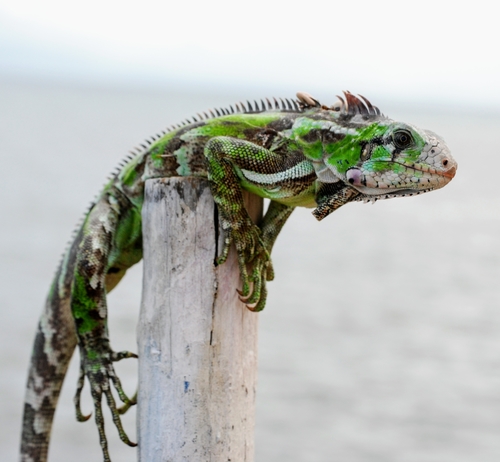
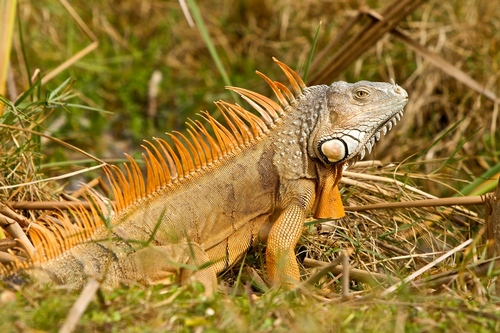
Iguana iguana
arctic_mongoose · iNat · CC-BY
Iguana iguana details →

Green Iguana

IUCN LC 205 GBIF records diurnal

The large, spiny-crested iguana basking on boulders and overhanging branches around the lagoon. Adults reach 150 cm. Herbivorous; excellent swimmers. Drop into water to escape predators.

Habitat: lagoon margin trees, rocky shorelines, gardens. Season: year-round; more active in warm dry season. Protected under NOM-059-SEMARNAT in Mexico.

Wildlife & lagoon page →
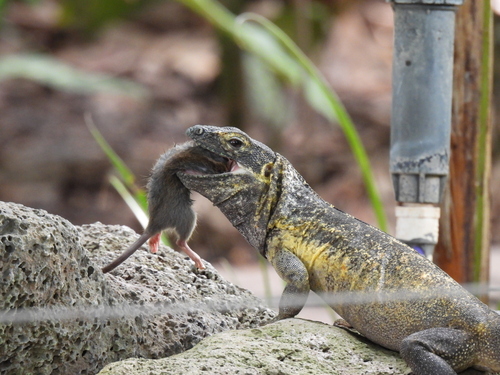
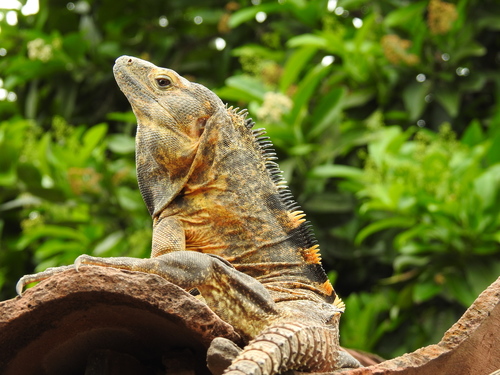
Ctenosaura pectinata
sjmr22 · iNat · CC-BY-NC
Ctenosaura pectinata details →

Western Spiny-tailed Iguana

IUCN VU 92 GBIF records endemic to Mexico

Stockier and greyer than the Green Iguana, with a pronounced spiny tail. Prefers dry rocky terrain and stone walls. One of Mexico’s faster lizards; capable of short sprints exceeding 30 km/h. Omnivorous adults.

Habitat: rocky outcrops, dry thorny scrub, human structures. Season: year-round. Endemic to Mexico’s Pacific slope. Vulnerable due to hunting pressure and habitat loss. Protected NOM-059.

Basiliscus vittatus
anudibranchmom · iNat · CC-BY-NC
Basiliscus vittatus details →

Brown Basilisk

IUCN LC 3 GBIF records lagoon edge

The “Jesus Christ lizard.” Brown with pale lateral stripes; crested males distinctive. Runs bipedally across water surface when alarmed — common at lagoon edges. Hatchlings weigh under 2 g and can cover several metres of water before sinking.

Habitat: dense vegetation at water margins. Season: year-round; most active and conspicuous Apr–Oct. GBIF records sparse (likely undercount from this specific area).

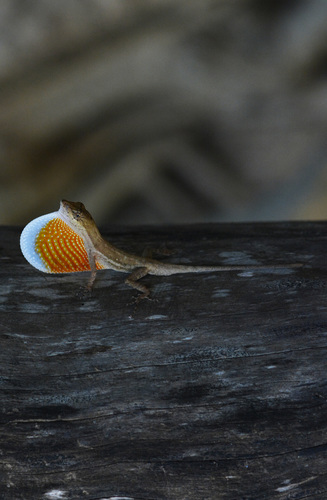
Anolis nebulosus
tamarindo1 · iNat · CC-BY-NC
Anolis nebulosus details →

Clouded Anole

IUCN LC 40 GBIF records arboreal

Small anole of the Pacific dry forest; brown to grey-green with clouded patterning and a dewlap. Common on tree trunks and fences. Males bob and display frequently. Mexico-endemic species.

Habitat: tree trunks, shrubs, fences. Season: year-round. Endemic to Mexico’s Pacific slope dry forest.

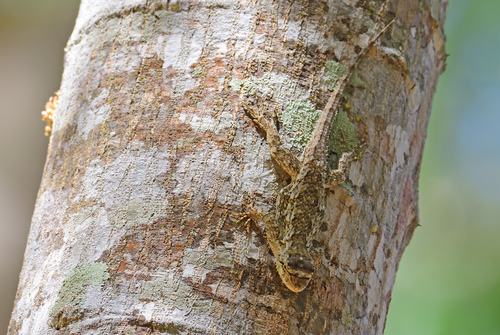
Sceloporus melanorhinus
adkonings · iNat · CC-BY-NC
Sceloporus melanorhinus details →

Black-nosed Lizard

IUCN LC 29 GBIF records rocky terrain

Spiny lizard of boulder fields and stone walls. Males have blue-green belly patches. Insectivorous; pushes up and down (press-ups) when displaying. Fastest to retreat under rocks when approached.

Habitat: rocky outcrops, stone walls, road cuts. Season: year-round; most active in sunny morning hours.

Holcosus undulatus
coreyjlange · iNat · CC-BY-NC
Holcosus undulatus details →

Rainbow Ameiva

IUCN LC ground-dwelling fast-moving

A large, fast whiptail lizard; males iridescent blue-green-bronze. Common in open sandy or gravelly ground in the dry forest understorey. Actively forages for insects and small invertebrates by scratching through leaf litter.

Habitat: open sandy ground, roadsides, forest clearings. Season: year-round; diurnal.

Snakes

Nine species documented within 50 km. Collectively fewer than 50 GBIF records — the most undercounted group on this page. All non-coral species are non-venomous to humans. Do not kill snakes: they control rodent populations and are protected under Mexican law.

Leptophis diplotropis
rodrigoarrazola · iNat · CC-BY-NC
Leptophis diplotropis details →

Pacific Coast Parrot Snake

IUCN LC 12 GBIF records arboreal

Long, slender, bright green snake of the canopy and shrubs. Non-venomous; eats lizards and frogs. Moves rapidly through vegetation. Spectacular open-mouth defensive display when cornered (all bluff). The most likely snake you will encounter at Saladita.

Habitat: trees, shrubs, lagoon-edge vegetation. Season: year-round; more active in wet season when frog prey is abundant.

Trimorphodon biscutatus
cnemie · iNat · CC-BY-NC
Trimorphodon biscutatus details →

Western Lyre Snake

IUCN LC 18 GBIF records nocturnal

Moderately sized (60–100 cm), blotched brown, with a lyre-shaped mark on the head. Mildly venomous (rear-fanged, Duvernoy’s gland) — not dangerous to humans; primarily subdues lizard prey. Rocky outcrops and dry forest at night.

Habitat: rocky terrain, dry forest. Season: year-round; crepuscular to nocturnal. Rear-fanged venom poses no meaningful threat to humans.

Drymarchon melanurus
farquhar · iNat · CC-BY-NC
Drymarchon melanurus details →

Central American Indigo Snake

IUCN LC 3 GBIF records large bodied

The largest snake in the region — adults 150–250 cm, glossy dark olive-black. Non-venomous constrictor. Actively hunts rodents, other snakes, and small vertebrates. A formidable and beneficial predator, rarely encountered.

Habitat: dense dry forest, agricultural margins. Season: year-round. 3 GBIF records in bbox; genuinely rare or severely undercounted.

Boa sigma
brandon_dietrich · iNat · CC-BY-NC
Boa sigma details →

Mexican West Coast Boa Constrictor

IUCN LC 0 GBIF records in bbox rare at coast

The Pacific slope boa constrictor, recently re-described as a distinct species from Boa imperator. Confirmed by iNaturalist within 50 km; 0 GBIF records in the tighter bbox. Nocturnal, arboreal as juveniles, ground-level as adults. Non-venomous; constricts prey. Harmless to healthy adults.

Habitat: dense dry forest, river margins. Season: year-round. Protected under NOM-059-SEMARNAT. Do not handle or disturb.

Micrurus browni
delmer · iNat · CC-BY-NC
Micrurus browni details →

Brown's Coral Snake — Venomous

IUCN LC VENOMOUS 2 GBIF records fossorial

Small (40–60 cm), tri-banded red-black-yellow. Fossorial — found under rocks and leaf litter. Documented in the Guerrero Pacific slope. Neurotoxic venom; rear-mounted fangs mean envenomation requires handling or stepping on the snake. See the safety callout above.

Habitat: rocky dry forest floor, leaf litter, buried in soil. Season: year-round. Genuinely rare; 2 confirmed GBIF records in bbox. Rarely encountered by visitors.

Oxybelis microphthalmus & allies

Vine Snakes & other non-venomous colubrids

IUCN DD / LC multiple spp.

The Thornscrub Vine Snake (O. microphthalmus), Mexican Patchnose Snake (Salvadora mexicana), Striped Road Guarder (Conophis vittatus), False Cat-eyed Snake (Pseudoleptodeira latifasciata), and Ridgehead Snake (Manolepis putnami) are all documented in the region. All non-venomous. Collectively underrepresented in databases.

Combined, these 5 species total fewer than 20 GBIF records in the bbox. Presence confirmed via iNaturalist and regional literature.

Freshwater & Semi-aquatic Turtles

Three species in the lagoon and river systems. Distinct from the sea turtles of the offshore corridor.

Kinosternon integrum
leomcampos24 · iNat · CC-BY-NC
Kinosternon integrum details →

Mexican Mud Turtle

IUCN NT lagoon & rivers omnivorous

Small (10–16 cm), dark domed shell, hinged plastron. Inhabits slow streams, lagoons, and seasonal pools. Omnivore: insects, molluscs, aquatic plants. Will aestivate in dry-season mud. Endemic to Mexico.

Habitat: lagoon margin, slow streams, seasonal pools. Season: active wet season (Jun–Oct); aestivates dry season. Near Threatened due to habitat loss and collection for food trade.

Rhinoclemmys rubida
jesusmoreno · iNat · CC-BY-NC
Rhinoclemmys rubida details →

Mexican Spotted Terrapin

IUCN EN Guerrero endemic semi-terrestrial

Medium box-like turtle with orange-red head markings. Significantly more terrestrial than other freshwater turtles — found in dry forest far from water. Endangered; restricted to a narrow strip of the Mexican Pacific slope including Guerrero.

Habitat: dry forest floor, rock shelters, seasonal streams. Season: more active wet season. Protected NOM-059. Endemic to Guerrero and adjacent states.

Sea Turtles — 4 species

Olive Ridley, East Pacific Green, Leatherback, and Hawksbill. Olive Ridley nests Jul–Dec on Guerrero beaches. Full profiles, nesting calendar, and conservation context on the dedicated turtles page.

Lepidochelys olivacea • Chelonia mydas • Dermochelys coriacea • Eretmochelys imbricata

Sea Turtles (4 species)

All four species have a dedicated field guide page with nesting season calendar, individual species profiles, conservation notes, and live GBIF sightings data. Sea turtle nesting season Jul–Dec; Olive Ridley peak Sep–Nov.

Full sea turtle guide →

American Crocodile

The lagoon apex predator. Fully profiled on the Wildlife page.

Crocodylus acutus

American Crocodile — 164 GBIF records in area

The American Crocodile inhabits the Saladita lagoon system and adjacent rivers. IUCN Vulnerable; legally protected. The Wildlife page covers behaviour, safe distances, and the lagoon ecology context. Do not enter the lagoon after dark; give crocodiles at least 10 metres of space.

Wildlife & lagoon →
Amphibia

Amphibians of the Guerrero coast.

107 iNaturalist observations and 285 GBIF records within 50 km. Twelve to seventeen species confirmed depending on source. Strongly seasonal: the first heavy rains in June trigger explosive calling from toads and frogs. Dry-season (Nov–May) silence is not absence — most species aestivate or move to permanent water.

Wet season is the field-guide season for amphibians

The Guerrero Pacific coast has a pronounced wet season (roughly Jun–Oct) and a dry season (Nov–May). Nearly all amphibians breed explosively after the first rains. If you visit in dry season you will hear almost nothing; return in June and the night chorus around the lagoon is remarkable. The absence of amphibian records in iNaturalist before June is real — the frogs are genuinely inactive or buried.

Tree Frogs — Hylidae

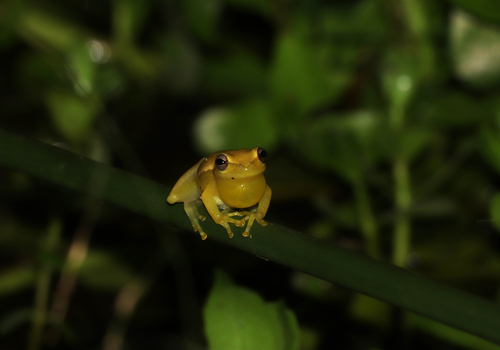
Four tree frog species documented; the Mexican Treefrog and Giant Tree Frog are the most conspicuous, calling at high volume from vegetation near any standing water.

Smilisca baudinii
enrique_hdez_alberdin · iNat · CC-BY-NC
Smilisca baudinii details →

Mexican Treefrog

IUCN LC top iNat record loud caller

The most frequently recorded amphibian in the area. Large hylid (5–9 cm), grey-tan with dark blotches, prominent eyes. Explosive breeder — large choruses call from trees and shrubs over temporary pools after rain. Call is a loud, duck-like “quank.”

Habitat: lagoon margins, trees near seasonal pools. Season: Jun–Oct (breeding); may persist near permanent water year-round. Most commonly heard mammal-sized vocalizer in the wet-season night soundscape.

Call · Breeding chorus iNaturalist sound observations: browse Smilisca baudinii calls near La Saladita. Run python3 scripts/build_species_audio.py to embed recordings here.
Agalychnis dacnicolor
la_tierra_del_jaguar · iNat · CC-BY-NC
Agalychnis dacnicolor details →

Mexican Giant Tree Frog

IUCN LC nocturnal arboreal

One of Mexico’s largest tree frogs (up to 10 cm); brilliant green dorsum, red eyes, orange flanks. Relative of the famous Red-eyed Tree Frog. Found in trees near lagoon and seasonal pools. Breeding aggregations call on rainy nights. Spectacular but infrequently seen outside breeding choruses.

Habitat: canopy trees over water. Season: Jun–Oct. One of the more photogenic species in the area; contributes to iNat record count disproportionately for its actual abundance.

Scinax staufferi
pedro_nahuat · iNat · CC-BY-NC
Scinax staufferi details →

Stauffer's Tree Frog

IUCN LC small-bodied

Small hylid (2–3.5 cm); tan-brown, often with an hourglass dorsal pattern. Common in dry-forest trees; uses tree cavities for refuge. Breeds in temporary pools. Less conspicuous than Smilisca; often overlooked.

Habitat: dry forest trees, scrub near seasonal water. Season: Jun–Oct. Confirmed in iNat records for this area.

Tlalocohyla smithii
eber_bh · iNat · CC-BY-NC
Tlalocohyla smithii details →

Dwarf Mexican Tree Frog

IUCN LC small

Tiny hylid (<2.5 cm); translucent green to yellow-green. Found on vegetation at water’s edge. High-pitched call. Mexico-endemic; distributed along the Pacific slope.

Habitat: emergent vegetation, flooded grasses. Season: Jun–Oct. GBIF confirmed in bbox.

Toads — Bufonidae

Three toad species confirmed; the Giant Toad and Cane Toad are closely related and both have toxic parotoid secretions. The Marbled Toad is smaller and less toxic. See the safety callout above for Cane Toad / dog interactions.

Rhinella horribilis
sandboa · iNat · CC-BY-NC
Rhinella horribilis details →

Giant Toad

IUCN LC TOXIC (dogs) top GBIF record

Large warty toad (up to 18 cm); dark brown with creamy underside. Most common large toad of the Pacific slope. Previously lumped with Rhinella marina (Cane Toad) and shares its toxic parotoid gland secretions. Feeds on large insects, small vertebrates, and even plant material.

Habitat: any moist ground near water; agricultural areas, gardens, lagoon margins. Season: year-round near permanent water; explosive abundance Jun–Oct. Parotoid secretions toxic to dogs — same precautions as for Cane Toad.

Call · Breeding call iNaturalist sounds: browse Rhinella horribilis call observations. Run python3 scripts/build_species_audio.py to embed.
Rhinella marina
bankzia · iNat · CC0
Rhinella marina details →

Cane Toad / Marine Toad

IUCN LC TOXIC (dogs)

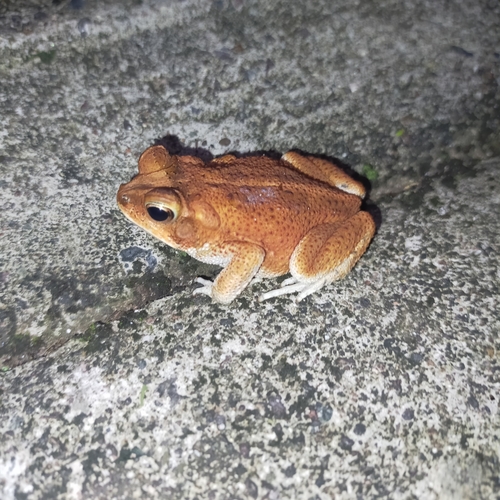
Globally invasive species, native to this region. Adults up to 15 cm; brown-grey, warty, with large kidney-shaped parotoid glands. Produces bufadienolide toxins. See the safety callout above for pet precautions. Ecological role: major insect predator; also documented consuming small vertebrates.

Habitat: any open or disturbed habitat near water. Season: year-round; most abundant Jun–Oct. Nocturnal. Often found near lit buildings where insects congregate.

Incilius marmoreus
david_jacobo · iNat · CC-BY-NC
Incilius marmoreus details →

Marbled Toad

IUCN LC mid-sized

Mid-sized toad (5–8 cm); beautifully marbled olive-grey. Confirmed in iNaturalist records within 50 km. More cryptic than the giant toads; less likely to be encountered in developed areas.

Habitat: dry forest, rocky terrain near seasonal pools. Season: Jun–Oct. Endemic to Mexico’s Pacific slope.

Other Frogs — Leptodactylidae, Microhylidae, Craugastoridae

The remaining confirmed frog species include the loud Sabinal Frog, the remarkable Mexican Burrowing Toad (not a true toad), and several Craugastor rain frogs heard more often than seen.

Leptodactylus melanonotus
jovanileon_0019 · iNat · CC-BY-NC
Leptodactylus melanonotus details →

Sabinal Frog

IUCN LC noisy breeder

Medium-sized (4–6 cm) leptodactylid; brown-grey, wrinkled dorsum. Forms foam nests in temporary pools — an easily-overlooked mass of white froth in shallow water that contains eggs and later tadpoles. Loud, repeated clicking call.

Habitat: seasonal pools, ditches, lagoon margins. Season: Jun–Oct. Confirmed iNat records in area.

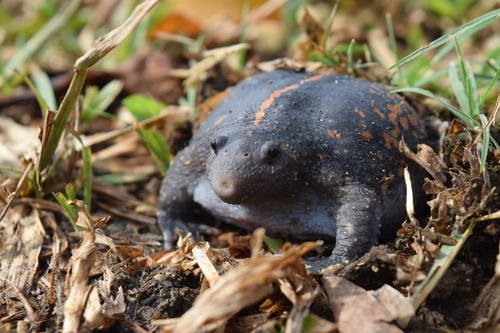
Rhinophrynus dorsalis
a_monter · iNat · CC-BY-NC
Rhinophrynus dorsalis details →

Mexican Burrowing Toad

IUCN LC explosive breeder fossorial

Odd, round-bodied frog (5–8 cm); red-orange dorsal stripe on grey body. Spends most of the year buried underground — emerges only on the first heavy rains of the season for explosive mass breeding events in flooded fields. The only member of the family Rhinophrynidae. Call is a ghostly, resonant foghorn.

Habitat: underground; emerges to breed in flooded fields and temporary pools. Season: Jun–Oct (breeding events). Confirmed in iNat records for area.

Call · Breeding foghorn call One of the most distinctive calls in Mexico — a low, resonant foghorn audible from hundreds of metres. iNaturalist sounds: browse Rhinophrynus dorsalis calls. Run python3 scripts/build_species_audio.py to embed.
Craugastor occidentalis & C. pygmaeus

Rain Frogs (Craugastor)

IUCN LC direct-developing

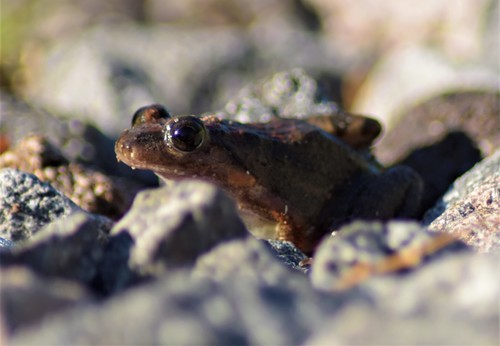
Small to medium direct-developing frogs; eggs laid on moist ground, no tadpole stage. Taylor's Barking Frog (C. occidentalis) confirmed in iNat records; C. pygmaeus (small barking frog) confirmed via GBIF. Both produce loud, sharp barking calls heard from rock crevices and leaf litter after rain.

Habitat: moist rocky crevices, leaf litter, dry forest floor. Season: Jun–Oct. Active mostly at night after rain.

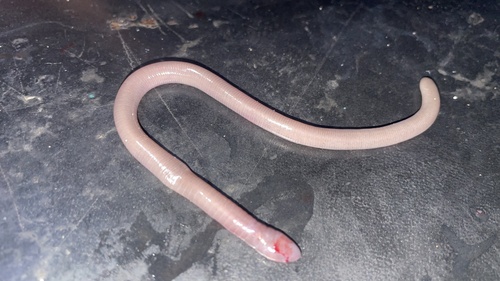
Caecilians — Gymnophiona

Legless, worm-like amphibians; fossorial and almost never seen on the surface. One species confirmed.

Dermophis oaxacae
sonoran · iNat · CC-BY-NC
Dermophis oaxacae details →

Oaxacan Caecilian

IUCN DD fossorial 1 iNat record

Worm-like, grey-purple, legless amphibian; up to 35 cm. Spends its entire life underground, burrowing through moist soil and rotting wood. Not a worm (it has tiny eyes, scales, and a jaw). Occasionally turned up in garden soil or construction. Data Deficient: basic natural history poorly documented.

Habitat: moist forest soil, rotting logs, agricultural ground. Season: present year-round; never surface active in dry conditions. A single iNat record within 50 km is almost certainly a significant undercount of true abundance.

When to look

Seasonal activity guide.

November – May — Dry Season

Lizards, snakes, lagoon edge

The dry season is prime time for reptiles. Iguanas, spiny-tails, and basilisks are highly visible on sunny mornings. Crocodile basking peaks on clear winter days. Parrot snakes are more likely to be seen crossing roads. Geckos active every night. Amphibians essentially absent above ground — the lagoon edge may retain a few treefrogs year-round if water is permanent.

June – October — Wet Season

Amphibian explosion; all herps active

The first heavy rain triggers mass breeding events: Burrowing Toads emerge overnight, Mexican Treefrogs form huge choruses, Giant Tree Frogs call from every tree near water. All snake species are more active hunting prey. Mud Turtles emerge to forage. The landscape transforms; temporary pools appear and disappear within days. Night walks along the lagoon edge in July–August are the peak amphibian experience.

September – November — Turtle nesting overlap

Olive Ridley nesting + crocodile activity

The peak Olive Ridley nesting window (Sep–Nov) coincides with late wet season. Crocodile activity often peaks in this period as water levels are highest. Rain frogs and tree frogs continue calling. Days can be hot and humid; reptile activity is highest in morning before midday heat.

Year-round

Gecko, iguana, crocodile, coral snake caution

House Geckos and Leaf-toed Geckos are active every night regardless of season. Green Iguanas and Spiny-tails can be seen year-round; they reduce activity in the coldest winter mornings. The Crocodile is permanent in the lagoon. The Coral Snake is a year-round resident but is so rarely seen that year-round caution means simply not reaching into crevices or under debris.

Live data

Recent sightings — within 50 km.

Research-grade observations from iNaturalist within 50 km of La Saladita, last 90 days. Data loaded live from /api/herps.

Loading…
Methodology & sources

How this field guide was built.

iNat Reptilia: 1,330 obs iNat Amphibia: 107 obs GBIF Reptilia: 745 recs (per-sp) GBIF Amphibia: 285 recs Radius: 50 km Species documented: ~33

iNaturalist

Queried via the iNaturalist API v1 for class Reptilia (taxon_id 26036) and class Amphibia (taxon_id 20978), within a 50 km radius of La Saladita (17.5897°N, 101.4317°W), research-grade observations only. Returned 1,330 Reptilia and 107 Amphibia total results. The full record set was paginated to extract unique species. iNaturalist records are strongly biased toward diurnal, visually conspicuous species — nocturnal geckos, fossorial caecilians, and secretive snakes are systematically undercounted.

GBIF

Queried via the GBIF Occurrence Search API v1 using a bounding box of lat 17.09–18.09°N, lon −101.93–−100.93°W. Important limitation: GBIF class-level taxonKey=358 (Reptilia) returns 0 records due to a backbone taxonomy mismatch between the class name and GBIF’s internal keys. All GBIF reptile counts are from individual species queries. GBIF Amphibia returns 285 records correctly via class=Reptilia search. GBIF includes museum specimens, institutional surveys, and iNaturalist contributions; it is not limited to citizen-science observations.

AmphibiaWeb

Species accounts, range maps, and IUCN status for all amphibian species were cross-referenced against AmphibiaWeb (University of California, Berkeley). AmphibiaWeb provides the most complete and up-to-date species accounts for Mexican amphibians. It is HTML-only; no machine-readable API query was performed. Species expected from the regional literature but not returning iNat/GBIF records were verified against AmphibiaWeb range maps.

Reptile Database

Taxonomy and range information for all reptile species was cross-referenced against the Reptile Database (Uetz et al.). The Reptile Database is the primary global checklist for reptile taxonomy. HTML-only; no API access. Species accounts used to verify Pacific Mexico coastal distribution claims, particularly for snakes where iNat/GBIF counts were zero or very low.

Known undercount groups

Four groups are systematically undercounted in both databases and the species accounts on this page acknowledge that explicitly: (1) Geckos — nocturnal, rarely photographed despite high real-world abundance; (2) Snakes — cryptic behaviour + widespread kill-on-sight habit; (3) Burrowing amphibians (caecilians, Mexican Burrowing Toad) — spend most of the year underground; (4) Dry-season amphibians — all species are essentially invisible in Nov–May regardless of population size. A zero or single-digit record count for any of these groups should not be interpreted as rarity.

Species not yet confirmed but expected

Whiptail lizards (Aspidoscelis spp.) are documented throughout Pacific Mexico dry forest but returned no iNat records within 50 km in this query — almost certainly a gap in observer coverage rather than absence. Common House Gecko (Hemidactylus frenatus) is present in every coastal town in Guerrero but returned no records within the strict 50 km research-grade filter. Tungara frog (Engystomops pustulosus) is in adjacent regions; presence at Saladita unconfirmed.

Safety information sourcing

Coral snake identification and first-aid guidance is sourced from published herpetological literature for Micrurus browni and Mexican Pacific coral snakes generally. Cane Toad (Rhinella marina) toxicity and veterinary guidance is sourced from peer-reviewed veterinary literature on bufotoxin envenomation. Both safety callouts were reviewed against current best practices; they are informational and do not substitute for emergency medical advice.